
Israel's Annual Deficit Reaches 3.3% as Government Revenues Surge
Israel's annual budget deficit reached 3.3% of GDP by October 2026, up from 3.2% the previous month, as government revenues surged 10% year-on-year. Despite higher monthly deficits, the annual figure is expected to stay below the 4.9% target due to strong revenue collection and lagging civilian spending. Concerns exist about the impact of underspending in economic ministries on development and public services.
הידיעה ב-5 שורות · תקציר של baba
- Israel's annual budget deficit rose to 3.3% of GDP by October 2026.
- Government revenues increased by 10% year-on-year, exceeding projections.
- Civilian expenditures are significantly behind budget, with a NIS 31.4 billion shortfall.
- Economic ministries show a spending decrease of 2.8% instead of planned growth.
- The deficit is expected to remain below the 4.9% target for the year.
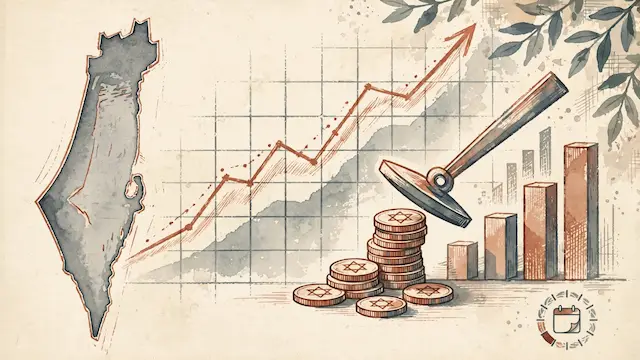
Israel's annual budget deficit has risen to 3.3% of the Gross Domestic Product (GDP) for the twelve months ending in October 2026, an increase from 3.2% in September, according to data released by the Accountant General's Department in the Ministry of Finance. The deficit for October alone was NIS 18.3 billion, NIS 3 billion higher than in October of the previous year. The cumulative deficit from January to October 2026 stands at NIS 47 billion, representing 43% of the budgeted deficit ceiling for the year.
Despite the monthly increase, the overall deficit is projected to remain below the 4.9% target for 2026, likely not exceeding 4% of GDP if current trends continue. This reduction is attributed to a significant rise in government revenues, which are up 10% year-on-year (8% in real terms), and a slowdown in civilian expenditures. Tax revenues, in particular, have seen a substantial increase of 12.9%, with direct taxes growing by 15.2%.
Government revenues have exceeded projections by approximately NIS 20 billion. Meanwhile, civilian expenditures, excluding defense and debt interest payments, are lagging behind budget plans. Only 76% of the planned civilian spending has been disbursed, despite 83.3% of the year having passed, creating a shortfall of about NIS 31.4 billion.
Concerns have been raised regarding the impact of underspending in economic ministries, including those responsible for industry, the business sector, agriculture, and tourism. These ministries were planned to increase spending by 12%, but have instead seen a 2.8% decrease in expenditures compared to the previous year. Similar, though smaller, gaps exist in administrative and social ministries, raising fears about the provision of essential public services.
The defense establishment, however, is reportedly over-utilizing its budget, with pending budget adjustments not yet reflected in the report. The Minister of Economy, Nir Barkat, was pictured in relation to the economic ministry's spending gaps.
אותו אירוע, כפי שכל מערכת דיווחה עליו בנפרד. פתחו כמה דיווחים כדי להשוות מה כל מערכת מדגישה, ומה היא משאירה בחוץ.
שמאל 1אחרים 4




לא אותו אירוע: ידיעות אחרות שחולקות עם הידיעה הזו אנשים, מקומות או נושא. רקע, תגובות והמשכים.
