
Israel Braces for Cyberattacks Targeting Elections, Key Institutions
תורגם ותומצת מתוך Cursorinfo על ידי baba
Israeli cybersecurity firm Check Point has warned of a sharp increase in cyberattacks targeting Israeli organizations and government websites ahead of the Knesset elections. Weekly attacks on Israeli entities rose 55% to 2,700, with government institutions seeing an 82% jump. Hacker groups are reportedly planning DDoS attacks against key institutions, while phishing scams impersonate official services to steal voter data.
הידיעה ב-6 שורות · תקציר של baba
- Cyberattacks on Israeli organizations surged 55% to 2,700 weekly before Knesset elections.
- Attacks on Israeli government institutions increased by 82% in the lead-up to elections.
- Energy and infrastructure sectors saw a 107% rise in cyberattack attempts.
- Hacker groups are planning DDoS attacks against the Prime Minister's Office, Knesset, and Bank of Israel.
- Over 1,200 election-related websites were registered, with 1 in 47 potentially malicious.
- Phishing scams impersonate official services to steal voter data.
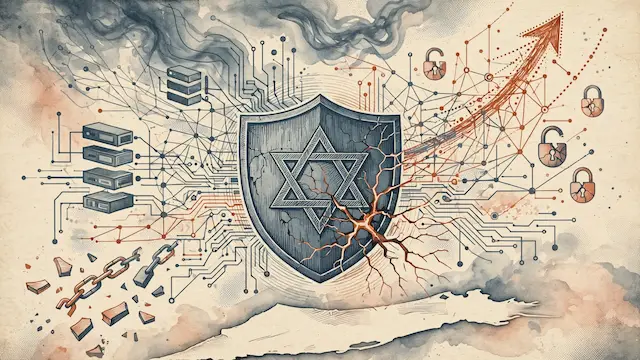
Check Point, an Israeli cybersecurity firm, has issued a warning about a significant surge in cyberattacks targeting Israeli organizations ahead of the upcoming Knesset elections. The company's research indicates that hackers are intensifying their efforts and preparing to disrupt government websites on election day. In the first weeks of October, the average weekly number of cyberattacks against Israeli entities rose by 55% compared to the same period last year, reaching 2,700. Attacks on government institutions specifically increased by 82%. The energy and infrastructure sectors experienced an even more dramatic rise, with attack attempts growing by 107% to approximately 3,900 per week.
According to Check Point, several hacker groups are discussing plans to disable major Israeli online resources using Distributed Denial of Service (DDoS) attacks. Potential targets identified include the Prime Minister's Office, the Knesset, the Israel Police, the Ministry of Foreign Affairs, and the Bank of Israel. These plans were reportedly being discussed on the darknet. Concurrently, phishing attempts aimed at deceiving voters have also escalated. Over 1,200 new election-related websites have been registered in the past two months, and Check Point estimates that about one in 47 of these may be malicious.
One campaign involved attackers impersonating a "Voter Information Service," sending fake SMS and emails requesting citizens to confirm personal data before voting. Sivan Dror, Director of Research and Risk Management at Check Point, stated that the period immediately before and after elections is particularly attractive to attackers seeking to exploit heightened public attention. She advised organizations to enhance security for official websites and corporate accounts and to prepare for rapid incident response. Check Point also urged citizens to rely solely on official sources for information, avoid suspicious links requesting profile updates or personal details, and verify information before sharing it.
אותו אירוע, כפי שכל מערכת דיווחה עליו בנפרד. פתחו כמה דיווחים כדי להשוות מה כל מערכת מדגישה, ומה היא משאירה בחוץ.
מרכז 1אחרים 2


לא אותו אירוע: ידיעות אחרות שחולקות עם הידיעה הזו אנשים, מקומות או נושא. רקע, תגובות והמשכים.


