
Turkey, Saudi Arabia, and Pakistan Forge New Security Alliance Amid Regional Tensions
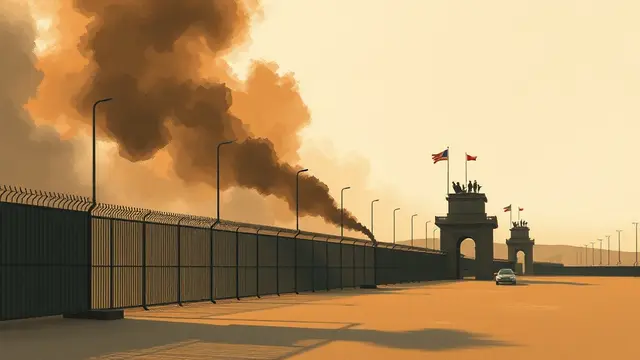
A new security alliance between Turkey, Saudi Arabia, and Pakistan has emerged as a significant development in the Middle East, driven by escalating tensions with Iran. This trilateral pact combines Saudi Arabia's vast economic power, Pakistan's nuclear deterrent, and Turkey's industrial and technological capabilities. Saudi Arabia, with a GDP of approximately $1.3 trillion, provides the financial backbone, while Pakistan contributes its estimated 170 nuclear warheads, and Turkey supplies advanced military technology, including significant arms exports and drone systems.
The alliance was formalized in Mecca, emphasizing Islamic solidarity, which signals a shift away from normalization efforts with Israel, especially after the October 7 events and growing Saudi concerns about Iran and competition with the UAE. The pact aims to create a regional deterrence framework with mutual defense commitments similar to NATO's Article 5, potentially expanding to include Egypt to secure the Red Sea and the Suez Canal.
Israeli analysts view the alliance cautiously, recognizing its anti-Israel orientation but also noting that adding more countries could diversify interests and reduce risks. The alliance also raises concerns in the UAE, Eastern Mediterranean countries, and India, as Pakistan’s defense minister described it as a "united Muslim front" against India and Israel. However, economic contradictions exist, such as Saudi Arabia’s significant oil exports to India, complicating potential conflict scenarios.
Meanwhile, Saudi Arabia relies on Greek Patriot missile batteries to defend against Iranian and Houthi missile attacks, highlighting internal contradictions as Greece is a rival of Turkey, a key alliance member. Israel, ranked seventh globally in arms exports, maintains a technological edge over Turkey and leverages partnerships with India, Greece, and the UAE, reinforcing its position as a counterbalance in the region. Israeli Defense Ministry CEO Amir Baram noted that the conflict with Iran has clarified the need for broader coalitions stretching from India to the UAE and Greece.
This evolving security landscape reflects shifting alliances and strategic recalibrations in the Middle East, with Israel positioned to leverage its advanced defense technologies amid growing regional complexities.
The same event, reported separately by each outlet. Open a few to compare what different newsrooms emphasize — and what they leave out.









Not the same event — other stories that share this one’s people, places, or theme: background, reactions, and follow-ups.
