Saudi Arabia, Turkey, and Pakistan Sign Mecca Defense Pact Amid Skepticism Over Its Strength
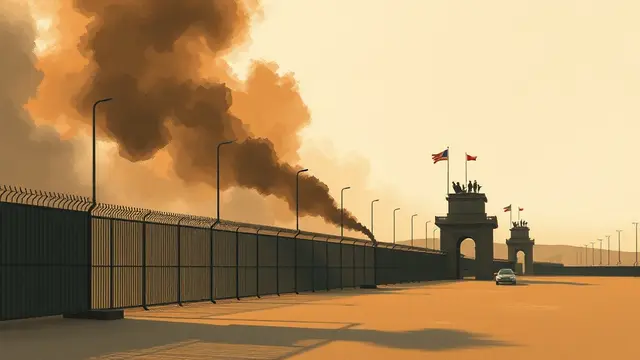
On August 7, 2026, Saudi Arabia, Turkey, and Pakistan signed the "Mecca Agreement for Joint Defense," pledging mutual defense against armed attacks on any of the three countries. The pact, signed by Saudi Crown Prince Mohammed bin Salman, Turkish President Recep Tayyip Erdogan, and Pakistani Prime Minister Shehbaz Sharif, also includes cooperation in military training, expertise exchange, defense industries, and readiness enhancement.
The agreement is primarily aimed at countering threats from Iran, the Houthi rebels, and Iraqi militias, reflecting a Sunni alliance against Shiite actors. Despite official statements denying the pact targets any specific country or sectarian front, analysts and regional observers view it as a Sunni coalition against Iran and its allies. Arab commentators generally praise the agreement for promoting regional security, stability, and economic development without escalating tensions.
However, historical precedents cast doubt on the pact's practical military value. Previous bilateral defense agreements, such as Turkey's defense pact with Qatar and Pakistan's mutual defense deal with Saudi Arabia, have not resulted in significant military intervention during crises. For instance, Pakistan's response to Iranian missile attacks on Saudi facilities was limited to symbolic troop and aircraft deployments. Relations between Pakistan and Iran remain strong despite these tensions.
Iranian officials have dismissed the agreement as ineffective and sectarian. Iranian parliamentarian Ebrahim Rezaei criticized it as a "paper agreement" unlikely to enhance Saudi security, urging Riyadh to change its policies rather than rely on external alliances. Iranian Foreign Minister Abbas Araghchi emphasized Muslim unity and self-reliance while rejecting foreign influence, without directly addressing the pact.
The true test of the Mecca Agreement will come if Iran or its proxies launch attacks on Saudi Arabia. Whether Turkey and Pakistan will respond militarily as promised remains uncertain, with expectations leaning toward rhetorical condemnation rather than armed intervention. The pact is seen in the Arab world as a step toward greater defense independence and deterrence in a volatile region, while Iran views it as a sectarian move against its interests. Israel has not issued an official response, but past experience suggests skepticism about the pact's operational impact.
The same event, reported separately by each outlet. Open a few to compare what different newsrooms emphasize — and what they leave out.









Not the same event — other stories that share this one’s people, places, or theme: background, reactions, and follow-ups.