Saudi Arabia, Turkey, and Pakistan Form New Defense Alliance Amid Iran Tensions
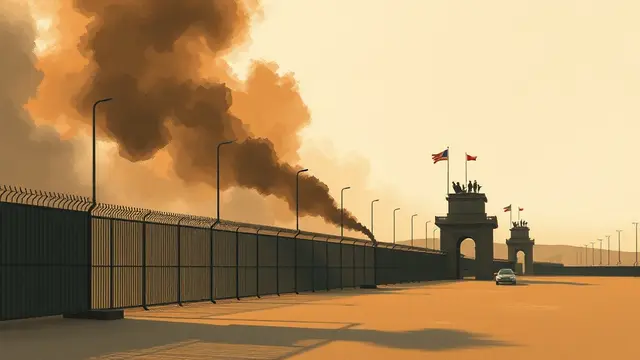
On August 7, 2026, Saudi Arabia, Turkey, and Pakistan signed a joint defense agreement in Mecca, marking a significant shift in the Middle East's security landscape. The pact comes amid escalating tensions involving the US-Iran conflict, rising instability in Lebanon, and renewed hostilities in Yemen. While Riyadh and Ankara emphasize that the alliance is not targeted at any specific country nor intended to form a sectarian bloc, its strategic implications suggest a broader regional deterrence framework.
The agreement stipulates that any Iranian aggression against one member state would trigger a collective military response from the other two, effectively raising the stakes for Tehran. This tripartite alliance combines Saudi Arabia's strategic depth and resources, Turkey's military capabilities and experience, and Pakistan's military strength, including its nuclear arsenal. Analysts view this as an attempt to reduce reliance on a single external power, such as the United States, whose limitations were highlighted during recent conflicts.
However, challenges remain in operationalizing the pact, including aligning the differing national interests of the three countries, establishing joint command structures, and conducting coordinated military exercises. Despite these hurdles, the "Mecca Agreement" represents a novel security model in the region, aiming to create a shared deterrence mechanism among regional powers to counter emerging threats.
This development signals a potential reconfiguration of alliances in the Middle East, with implications for Iran's strategic calculations and the broader geopolitical balance.
The same event, reported separately by each outlet. Open a few to compare what different newsrooms emphasize — and what they leave out.









Not the same event — other stories that share this one’s people, places, or theme: background, reactions, and follow-ups.