
Israeli Fashion Retailer Togo Closes After 24 Years Amid Market Consolidation
Translated & summarized from Maariv by baba
Israeli fashion retailer Togo is closing all 34 of its remaining stores after 24 years of operation, currently offering a liquidation sale. The closure reflects a broader trend of market consolidation in Israel's fashion industry, where large conglomerates are increasingly dominating. Togo's struggles highlight the challenges faced by specialized discount retailers against larger groups and international e-commerce platforms.
The story in 5 lines · by baba
- Togo, an Israeli fashion retailer, is closing its remaining 34 stores after 24 years in business.
- The company is holding a liquidation sale, offering two pairs of shoes for 50 shekels.
- Togo's closure highlights increasing consolidation and market dominance by large fashion conglomerates in Israel.
- Specialized discount retailers face pressure from both large domestic groups and international e-commerce platforms.
- The trend raises concerns about reduced competition, variety, and consumer bargaining power in the fashion market.
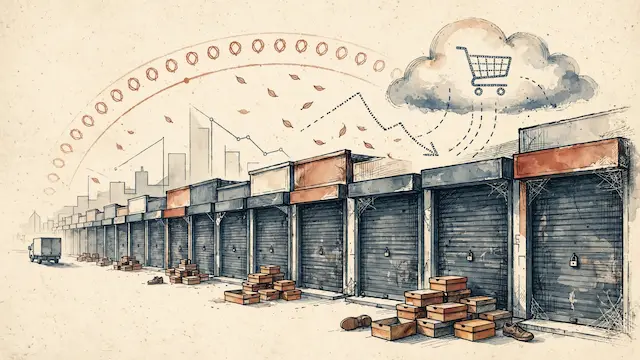
Togo, an Israeli fashion and footwear chain that operated for 24 years and once boasted 70 branches, is closing its remaining 34 stores. The company is currently holding a liquidation sale, offering two pairs of shoes for 50 shekels. This closure highlights a concerning trend in the Israeli fashion market: increasing consolidation among major retail groups.
Founded in 2002, Togo aimed to make fashion accessible by offering a wide variety of shoes at affordable prices, challenging industry norms that treated footwear as a long-term investment. However, its business model, focused on discount pricing, has become unsustainable as larger fashion conglomerates, like the Fox Group, expand their market share. These larger groups can absorb lower profit margins on specific items because they increase overall sales across multiple brands and product categories.
Togo's demise is attributed to several factors. Firstly, the "discount advantage" it pioneered has become commonplace, with many retailers now offering similar price points. Secondly, the rise of large fashion conglomerates that offer a comprehensive range of products, including shoes, bags, and accessories, has squeezed specialized retailers. These conglomerates can leverage their size and diverse offerings to drive sales, while specialized chains like Togo struggle to cover operational costs like rent, salaries, and logistics from a single product category.
Furthermore, the retail landscape is increasingly dominated by a few large groups that operate like a "brand portfolio," encompassing various fashion, sports, and home goods chains. This concentration of power means that when a store closes, its prime locations are often taken over by these dominant players, creating higher barriers to entry for new, independent businesses. This consolidation reduces genuine competition, potentially leading to less variety and fewer price wars that benefit consumers.
The competitive pressure is also amplified by international e-commerce platforms, such as Shein, which offer a vast selection of trendy items at extremely low prices, directly to consumers. These online retailers operate with significantly lower overheads compared to physical stores, which must contend with rent, taxes, inventory, and distribution costs in Israel. The article suggests that specialized retailers like Togo are caught between the pressure from large domestic conglomerates and the challenge from global online giants, making survival increasingly difficult.
The same event, reported separately by each outlet. Open a few to compare what different newsrooms emphasize — and what they leave out.
Centre 2Other 2



Not the same event — other stories that share this one’s people, places, or theme: background, reactions, and follow-ups.
