Power Outages Hit Israel Due to Production Unit Malfunction
Translated & summarized from Kipa by baba
Widespread power outages occurred across Israel on Thursday evening due to a malfunction in an Israel Electric Corporation production unit. The incident led to load shedding and supply disruptions before alternative units were activated and power was restored. The state-owned Noga company coordinated the response.
The story in 5 lines · by baba
- Power outages affected multiple Israeli regions on Thursday evening.
- A malfunction in an Israel Electric Corporation production unit caused the disruptions.
- Load shedding was implemented to manage the imbalance between electricity supply and demand.
- Alternative production units were activated to restore power.
- Noga, the national electricity system manager, coordinated the response.
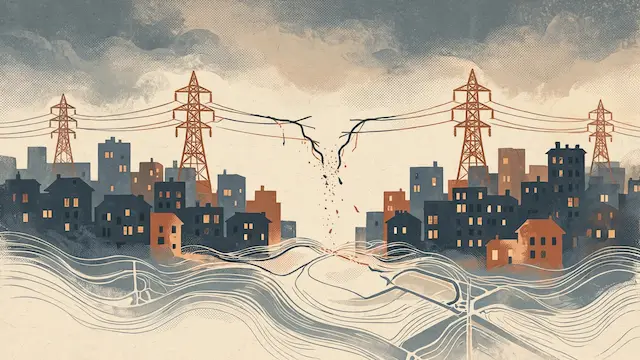
Widespread power outages affected several areas across Israel on Thursday evening following a malfunction in one of the Israel Electric Corporation's (IEC) production units. The fault led to load shedding and disruptions in electricity supply to consumers. Power was restored after alternative production units were activated.
An IEC spokesperson stated, "A short circuit in the feed to one of the production units caused a malfunction that led to load shedding. In coordination with Noga, alternative units were activated and power has been restored to everyone." Load shedding is a temporary measure to reduce electricity consumption when demand exceeds supply, designed to maintain the stability of the power grid and prevent broader disruptions.
Noga, the state-owned company responsible for managing Israel's national electricity system and balancing supply with demand, coordinated the activation of the alternative production units.
Keep up with
Mentioned
The same event, reported separately by each outlet. Open a few to compare what different newsrooms emphasize — and what they leave out.
Centre 1Right 2Other 2




Not the same event — other stories that share this one’s people, places, or theme: background, reactions, and follow-ups.