
Dollar Shortage in Some Banks Pushes USD to Over One-Year High
Translated & summarized from Maariv by baba
The U.S. dollar surged to a more than one-year high against the Israeli shekel due to a dollar liquidity shortage in some Israeli banks, forcing clients to seek coverage elsewhere. Speculators are reportedly exploiting this situation, while banks deny liquidity issues. The Bank of Israel has not intervened, but the weakening shekel risks inflation and may prompt intervention if the trend continues. This currency movement also influenced the decision not to lower interest rates.
The story in 6 lines · by baba
- The U.S. dollar reached a peak of over a year high against the Israeli shekel.
- A dollar liquidity shortage in some Israeli banks is forcing clients to seek coverage elsewhere.
- Speculators are reportedly exploiting the situation by artificially increasing dollar demand.
- The Bank of Israel has not intervened in the currency market.
- The shekel's depreciation risks jeopardizing the inflation target and increasing import costs.
- The weakening shekel was a factor in the decision not to lower interest rates.
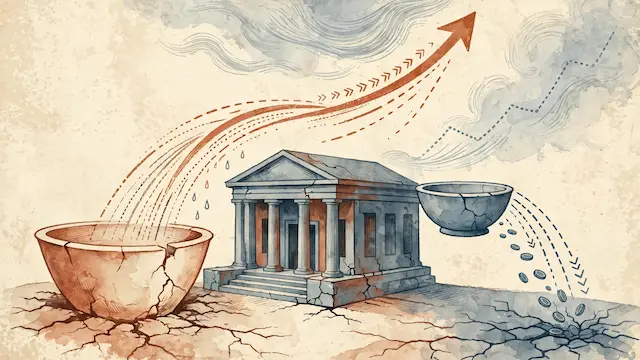
The U.S. dollar has reached a peak of over a year against the Israeli shekel, driven by a dollar liquidity shortage in some Israeli banks. This shortage forces major banks' clients to seek dollar coverage through swap transactions, reportedly in the billions of dollars. While these clients usually secure dollar coverage easily, they are now encountering difficulties, being directed to banks like Mizrahi Tefahot and Discount Bank, where they are only partially accommodated, and sometimes turned away due to the dollar liquidity crunch.
This gap has been exploited by speculators who are artificially increasing demand for dollars, capitalizing on market uncertainty. However, Mizrahi Tefahot stated that the bank continues to serve its clients' dollar transaction needs without issue. Discount Bank refuted claims of a liquidity shortage, asserting it has significant excess liquidity and meets all client needs.
The Bank of Israel has not intervened in the currency market thus far. The rapid depreciation of the shekel could jeopardize the inflation target, potentially leading to increased prices for imported goods, particularly gasoline. If the trend persists, the central bank may resort to selling dollars from its substantial foreign currency reserves.
The weakening shekel was a factor preventing Bank of Israel Governor Amir Yaron from lowering interest rates this week. The bank noted that a 1% depreciation of the shekel against the dollar translates to a 0.1% impact on the index, meaning a 1% rise in inflation solely due to the exchange rate.
According to Mark Haefele, Chief Investment Officer at UBS, the U.S. dollar is nearing a 20-month high, supported by strong U.S. economic activity and expectations of further monetary tightening by the Federal Reserve. He anticipates the dollar will remain strong in the coming months.
Keep up with
Mentioned

