
Iran's "Trap" Threatens Israel Amid US Hesitation
Translated & summarized from Cursorinfo by baba
Iran is preparing a strategic "trap" for the U.S. and its allies, according to Israeli military observer Amir Bohbot. Iran's leverage includes control over the Strait of Hormuz, vulnerability of U.S. troops in the region, and threats to Persian Gulf oil infrastructure. President Trump's strategy of economic pressure may not deter Iran and could force Israel into a difficult choice between waiting for U.S. action or taking independent preemptive steps.
The story in 5 lines · by baba
- Iran is preparing a strategic "trap" for the U.S. and its allies, according to Israeli military observer Amir Bohbot.
- Iran's leverage includes control over the Strait of Hormuz, vulnerability of U.S. troops, and threats to Persian Gulf oil infrastructure.
- President Trump's strategy of economic pressure may not deter Iran from its nuclear and missile programs.
- The U.S. delay could force Israel to choose between waiting for U.S. action or taking independent preemptive steps.
- Iran's continued actions could strengthen hardliners within the regime and advance its nuclear ambitions.
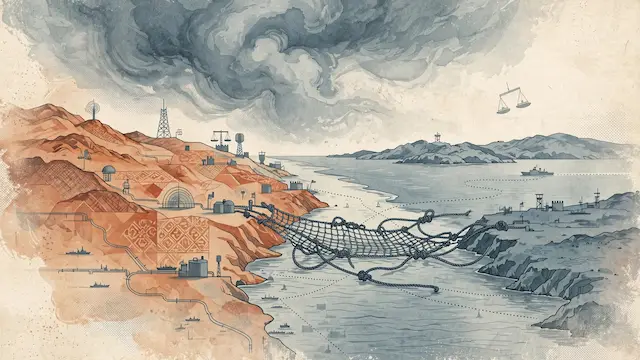
Iran retains significant leverage against the United States, and President Donald Trump's delayed response could force Israel into a dangerous strategic dilemma, according to Israeli military observer Amir Bohbot. Trump's strategy of applying military pressure, economic sanctions, and the threat of further strikes was intended to compel Iran into concessions. However, Bohbot assesses that Tehran is preparing a strategic "trap" for Washington, maintaining its capacity for retaliation despite economic strain.
Iran's primary leverage points include the Strait of Hormuz, a vital oil transit route that Tehran can disrupt. Additionally, Bohbot estimates that around 50,000 U.S. troops in the Middle East are vulnerable to Iranian attacks on bases and infrastructure, potentially inflicting significant losses. Iran also poses a threat to the critical oil facilities and infrastructure of Persian Gulf nations, further amplified by Tehran-backed militant groups.
Bohbot suggests that the U.S. strategy of economic pressure and waiting for internal protests to weaken the regime may not deter Iran from its nuclear and ballistic missile programs or its control over the Strait of Hormuz. This prolonged confrontation, he argues, could paradoxically strengthen hardliners within Iran and allow Tehran to gradually escalate threats while maintaining an option for negotiation.
For Israel, the U.S. delay presents distinct risks. While the U.S. can engage in a distant conflict, Israel faces the immediate threat of Iran rebuilding its missile arsenal and advancing toward nuclear capability. Bohbot believes each day of inaction by Trump allows Iran to bolster its military strength. This leaves Israel with a difficult choice: await U.S. action, risking further Iranian entrenchment, or consider independent preemptive measures, which could trigger a wider escalation. The core danger, Bohbot warns, is that the U.S. attempt to avoid war might ultimately cede strategic initiative to Iran.