
Veterinarians Question Official Rabies Source After Woman's Death
Translated & summarized from Cursorinfo by baba
Veterinarians in Israel are questioning the official conclusion that a stray dog caused a woman's fatal rabies infection, suggesting the true source may be unidentified. The Israeli Veterinary Association doubts the dog, an American Bully, was rabid, as it lacked laboratory confirmation and its body was destroyed. Experts worry the focus on the dog and its veterinarian distracts from potential systemic issues in rabies prevention and the possibility of an ongoing threat.
The story in 6 lines · by baba
- Israeli veterinarians doubt a stray dog was the source of a woman's fatal rabies infection.
- The dog identified by the Ministry of Agriculture lacked laboratory confirmation of rabies.
- The veterinarian who treated the dog did not suspect rabies before its death.
- The Veterinary Association fears blame may unfairly fall on the individual vet.
- Veterinarians face obstacles in obtaining rabies prevention vaccinations.
- The association calls for investigation into other potential infection sources.
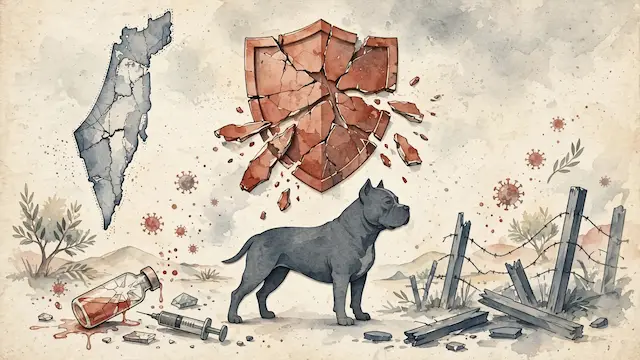
The Israeli Veterinary Association is challenging the Ministry of Agriculture's conclusion regarding the source of a fatal rabies infection in a woman from Kfar Shmuel. The association's experts believe the dog identified as the likely carrier may not have had rabies, suggesting the true source of the infection remains unknown and potentially still at large. Dr. Chilik Marom, a senior representative of the association, stated that scientifically and pathologically, the likelihood of infection from the identified dog is low. He urged an immediate investigation into other potential sources to prevent further fatalities.
The case involves a woman from Kfar Shmuel who died from rabies. Authorities linked her infection to a stray American Bully dog found near Kfar Rut on August 27. This dog was taken in by a family and had contact with the woman before its death in early September, following sterilization. However, there is no laboratory confirmation that the dog had rabies. Its body was disposed of without a necropsy or necessary tests, making it impossible to confirm the infection.
Further doubts arose after the veterinarian who treated the dog admitted on a professional forum that he did not suspect rabies based on the symptoms before the dog's death and did not send its body for examination. He initially attributed the dog's decline to complications from sterilization but later regretted not consulting colleagues. The Veterinary Association, however, defended the veterinarian, stating his actions were within reasonable veterinary practice and that they found no grounds to consider him responsible for the tragedy.
The association expressed concern that blame might be unfairly placed on the individual veterinarian, diverting attention from potential systemic failures within government agencies. They highlighted the lack of laboratory testing on the suspected source and the need to explore alternative theories. The association also criticized the Ministry of Health and Ministry of Agriculture for obstacles faced by veterinarians and volunteers in obtaining rabies prevention vaccinations, forcing some to seek alternative vaccination methods.
Mentioned
The same event, reported separately by each outlet. Open a few to compare what different newsrooms emphasize — and what they leave out.
Centre 1Other 1

Not the same event — other stories that share this one’s people, places, or theme: background, reactions, and follow-ups.

