
Lieberman Proposes Ultra-Orthodox Alliance to Oust Netanyahu
Translated & summarized from Cursorinfo by baba
Avigdor Lieberman, leader of Yisrael Beiteinu, proposed forming a coalition with ultra-Orthodox parties Shas and United Torah Judaism as the sole method to oust Prime Minister Benjamin Netanyahu. Lieberman warned that a minority government supported by Arab parties, as suggested by Gadi Eisenkot, would be unstable and lead to Netanyahu's return. He cited potential disagreements with Arab parties on key issues like Gaza and the Palestinian state as reasons for instability. Lieberman's plan faces obstacles due to ongoing disputes over the military draft law affecting ultra-Orthodox students.
The story in 5 lines · by baba
- Avigdor Lieberman proposed an alliance with ultra-Orthodox parties to remove Prime Minister Benjamin Netanyahu.
- Lieberman warned that a minority government supported by Arab parties would be unstable and short-lived.
- Gadi Eisenkot is exploring the formation of a narrow government with support from Arab parties.
- Lieberman cited disagreements with Arab parties on Gaza and Palestinian statehood as reasons for instability.
- Disputes over the military draft law for yeshiva students hinder potential ultra-Orthodox coalition talks.
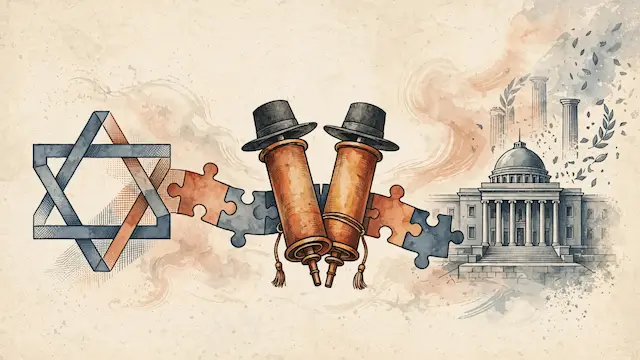
Avigdor Lieberman, leader of the Yisrael Beiteinu party, has proposed a surprising coalition strategy involving ultra-Orthodox parties to remove Prime Minister Benjamin Netanyahu from power. Lieberman stated on November 21 that the only viable path to ousting Netanyahu is by forming a government with the ultra-Orthodox parties Shas and United Torah Judaism. He warned that any attempt to form a minority government, even with the support of Arab parties, would lead to its swift collapse and Netanyahu's return.
Lieberman's remarks came after Gadi Eisenkot, leader of the National Unity Party, expressed openness to exploring a narrow government supported by Arab parties if other coalition talks fail, aiming to form a cabinet by December 6. Lieberman views this as a political trap that would allow Netanyahu to retain influence and return with stronger parliamentary backing. He cautioned that in the current volatile situation in Judea and Samaria and the Gaza Strip, a government reliant on Arab parties could only last a few months.
As evidence of potential instability, Lieberman cited an interview by Yousef Jabareen, chairman of the Joint List, who opposed continued strikes in Gaza and supported a Palestinian state. Lieberman also pointed to Arab party representatives walking out during the Knesset's swearing-in ceremony while the Israeli national anthem played, with only one parliamentarian remaining. He recalled the previous "government of change" lasting just over a year, after which Netanyahu's bloc secured 64 seats, enabling his return to the premiership.
Lieberman fears a repeat scenario, predicting that another failed attempt to unseat Netanyahu could result in the Prime Minister gaining support from at least 70 Knesset members. Instead of a minority government, Lieberman advocates for dismantling Netanyahu's current bloc by bringing Shas and United Torah Judaism into a coalition, acknowledging this would require significant ideological concessions but arguing it's necessary for a stable four-year term.
However, implementing Lieberman's proposal faces challenges. Both ultra-Orthodox parties currently vote with Netanyahu's bloc, and disagreements over the military draft law, particularly concerning yeshiva students, hinder coalition negotiations. Meanwhile, Eisenkot continues discussions with Likud about a national unity government, but Netanyahu's conditions, including rejecting an independent investigation into the October 7 events, are deemed unacceptable by the opposition. Lieberman has not yet committed to voting for or against a minority government if Eisenkot's initiative proceeds, leaving his final stance uncertain.
Mentioned
The same event, reported separately by each outlet. Open a few to compare what different newsrooms emphasize — and what they leave out.
Right 1Other 1

Not the same event — other stories that share this one’s people, places, or theme: background, reactions, and follow-ups.




