
Flight Ticket Prices Set to Soar Dramatically by 2027
Translated & summarized from Kan News by baba
Flight ticket prices from Israel are projected to increase significantly by 2027 due to rising jet fuel costs, environmental taxes, and reduced flight availability. The conflict with Iran and regional instability have exacerbated these issues, impacting airlines financially and leading to fewer available seats. Experts advise booking in advance and exploring alternative strategies to manage the expected price hikes.
The story in 6 lines · by baba
- Flight ticket prices from Israel are expected to rise significantly by 2027.
- Rising jet fuel costs, now 30-32% of operational expenses, are a major factor.
- Regional conflicts and supply chain issues are complicating fuel procurement.
- Environmental taxes in Europe and reduced aircraft availability also drive up prices.
- Airlines like Israir have reported millions in damages due to the conflict with Iran.
- Experts recommend booking flights well in advance to secure better prices.
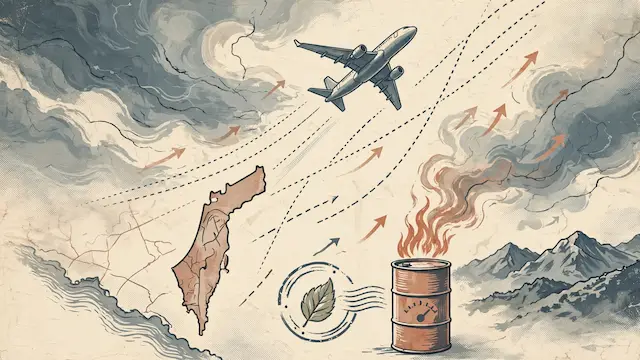
Flight ticket prices from Israel to various international destinations are on the rise and are expected to become significantly more expensive by 2027. Michael O'Leary, CEO of Ryanair, warned last month that he anticipates a 20% increase in ticket prices within the next year.
One primary driver of this surge is the escalating cost of jet fuel, which constitutes a substantial portion of airline operating expenses. Since the conflict with Iran, fuel prices have risen, with jet fuel now accounting for approximately 30-32% of operational costs, up from about 25% previously, according to Gil Han, CEO of Eshet Tours. The closure of many refineries in Europe has led to increased reliance on fuel from the Middle East, and regional conflicts, such as the situation in the Strait of Hormuz, are further complicating supply chains and driving up prices. Uri Sirkis, CEO of Israir, noted that the naval blockade in the Strait of Hormuz directly and indirectly impacts fuel prices across the region.
Even if regional tensions subside, there is no guarantee that fuel prices, and consequently ticket prices, will decrease. Kobi Sussman, CEO of IATA Israel, stated that the industry initially viewed these price hikes as temporary spikes due to the conflict with Iran. However, he added that the ongoing situation suggests a more persistent trend.
Additional factors contributing to the price increase include environmental regulations in Europe, which have imposed heavy taxes on the aviation industry due to pollution, thereby raising ticket costs. Sussman suggested that governments should focus on supportive regulations for airlines rather than restrictive ones. The conflict with Iran and the broader security situation over the past three years have also significantly impacted Israeli aviation, leading to a reduced supply of flights as some foreign airlines have not yet returned. While some airlines like El Al have seen record profits, others, like Israir, have suffered substantial financial losses, with Sirkis reporting a direct damage of $26 million in the first half of the year due to the conflict.
Furthermore, global supply chain issues are causing delays in the delivery of new aircraft to airlines. This scarcity of available planes reduces the number of seats airlines can offer, further impacting flight availability and prices. To mitigate these rising costs, experts advise booking flights as far in advance as possible, utilizing AI tools to find deals, and choosing destinations with a high volume of flights and airline competition. For those unwilling to plan ahead, purchasing tickets with cancellation options is recommended.