
Trump Tightens Stance on Iran, Links Talks to Fuel Prices
Translated & summarized from Cursorinfo by baba
U.S. President Donald Trump has hardened his position on Iran, accusing the country of deception and linking potential negotiations to global fuel prices. Trump stated that Iran's proposed terms for an agreement are unacceptable and that the U.S. will not compromise on its interests. The U.S. previously withdrew from the 2015 nuclear deal and reimposed sanctions. The ongoing tensions have significant implications for the global energy market, particularly concerning the Strait of Hormuz.
The story in 5 lines · by baba
- President Donald Trump accused Iran of attempting to mislead the U.S. regarding potential negotiations.
- Trump linked the outcome of U.S.-Iran talks to global fuel prices and energy market stability.
- The U.S. previously withdrew from the 2015 Iran nuclear deal and reimposed sanctions.
- Iran and the U.S. have reportedly failed to agree on a ceasefire or opening the Strait of Hormuz.
- Israel and the U.S. are reportedly considering a joint military operation against Iran.
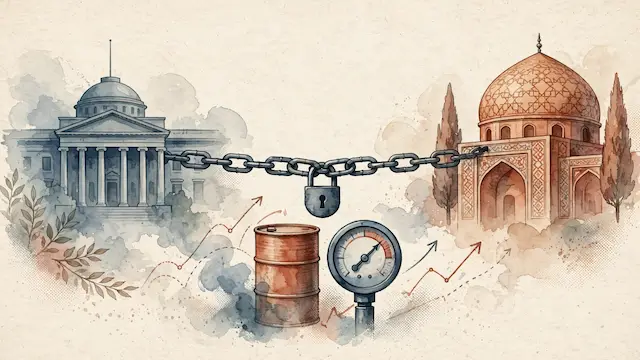
U.S. President Donald Trump has adopted a tougher stance on Iran, accusing Tehran of attempting to mislead Washington and linking the outcome of negotiations to global fuel prices. Trump stated that while Iran seeks a deal, its proposed terms are unacceptable to the U.S. administration, which will not agree to terms it deems not in American interests. He emphasized that Washington is interested in a "real agreement," not mere formalities.
Trump also highlighted the economic implications of U.S.-Iran relations, asserting that fuel prices are dependent on how disputes between the two countries are resolved. The president's statements underscore significant disagreements over the substance of any potential agreement, though he did not specify which Iranian proposals are unacceptable or what changes Tehran must make.
The U.S. withdrew from the 2015 Joint Comprehensive Plan of Action (JCPOA) in 2018, reimposing sanctions on Iran. Current negotiations occur amid heightened tensions and the consequences of military confrontations. U.S. media previously reported that the parties failed to agree on a ceasefire or the opening of the Strait of Hormuz, with Iran linking its nuclear program discussions to the lifting of U.S. naval blockades and other demands.
The situation concerning Iran is critical for the global energy market, as the Strait of Hormuz is a vital route for oil and LNG shipments. Trump's policy focuses on achieving acceptable agreements with Iran while considering the energy ramifications. However, his recent statement offered no new specifics on sanctions, oil supplies, or the future format of negotiations.
Earlier reports indicated Trump suggested a potential shift in the situation around the Iran conflict after January 1, 2027, without detailing U.S. actions. Additionally, Israel and the U.S. are reportedly considering a joint military operation against Iran, with preparations underway amid Iran's missile arsenal buildup, though Trump has not made a final decision on resuming hostilities.
Mentioned



