
Eisenkot Warns of Netanyahu's "Unprecedented" Tactics, May Form Emergency Government
Translated & summarized from Alarab by baba
Member of Knesset Gadi Eisenkot warned that Israel is in a "very dangerous phase" due to Prime Minister Benjamin Netanyahu's "unprecedented" tactics and potential incitement against Arab citizens. Eisenkot indicated he may form his own government if coalition efforts fail, potentially a national emergency government. He also criticized harsh rhetoric against bereaved families and urged Netanyahu to condemn toxic discourse. Recent parliamentary appointments and plans for a State Comptroller nomination were also mentioned.
The story in 6 lines · by baba
- Gadi Eisenkot warned Israel is in a "very dangerous phase" due to Prime Minister Benjamin Netanyahu's "unprecedented" tactics.
- Eisenkot may form his own government, possibly a national emergency government, if coalition talks fail.
- He criticized Netanyahu's alleged incitement against Arab citizens and urged condemnation of toxic discourse.
- Eisenkot highlighted the need for responsible leadership and warned against dragging Israel into more elections.
- Recent parliamentary developments include new committee chairs and a new Knesset Speaker.
- Judge Eyalron is slated for approval as the new State Comptroller.
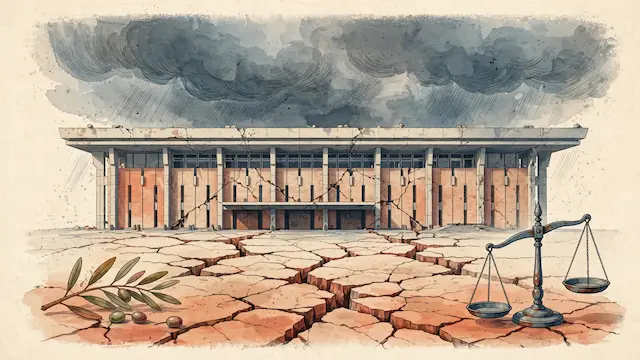
Member of Knesset Gadi Eisenkot, head of the Yamina party, has issued a lengthy message to Israelis, warning that the country is in a "very dangerous phase" due to what he described as unprecedented tactics employed by outgoing Prime Minister Benjamin Netanyahu. Eisenkot stated that Israeli society, its democracy, and its international standing are approaching a point of no return.
Eisenkot, who recently attended a memorial for his nephew and son, both killed in combat, also addressed the harsh rhetoric directed at bereaved families. He distinguished between legitimate criticism of elected officials and the abuse of the deceased, calling Netanyahu to condemn the "toxic discourse" seeping into society.
Regarding coalition formation efforts, Eisenkot reported meeting with leaders of "change and reform" parties. He noted recent parliamentary developments, including the appointment of committee chairs and the election of Matan Kahana as the new Knesset Speaker. He also announced plans to bring Judge Eyalron's appointment as State Comptroller for approval soon, describing him as a qualified and independent candidate.
Eisenkot expressed concern over Netanyahu's actions, stating that the full extent of his conduct has only recently become clear. He warned that delegitimizing 21% of the population as "terror supporters" could lead to actual violence. He also criticized the blending of operational and military considerations with political interests, deeming it "madness" and a source of danger, especially when decisions are made by a government lacking confidence from 74 Knesset members.
Eisenkot outlined three paths for forming a new government: negotiations with Haredi parties to balance military needs with the status of Torah scholars, engagement with the Likud party despite a perceived gap between rhetoric and action, and the potential formation of his own government if other attempts fail. He stressed that he would not delay the process and would present his government to the Knesset at the appropriate time, potentially forming a national emergency government if a broad coalition proves impossible.
He urged all Knesset members to consult their consciences regarding the formation of a new government, rather than dragging Israel into further elections while Netanyahu remains caretaker prime minister. Eisenkot concluded by emphasizing the urgency of the current opportunity, warning against complacency and stating his commitment to acting decisively.
Mentioned




