
Israeli Military Faces Officer Shortages Amid Iran Tensions
Translated & summarized from Arab48 by baba
Israeli military analyst Amos Harel reported that Prime Minister Benjamin Netanyahu is pushing for an attack on Iran, despite US election results suggesting an end to Gulf conflict. The Israeli army acknowledges a threat from Iran but prefers to focus on domestic stability and consensus. The military is also facing significant shortages of experienced officers and aircrew, exacerbated by prolonged conflict and combat losses. These issues could be worsened by a potential escalation with Iran or Hezbollah.
The story in 5 lines · by baba
- Prime Minister Netanyahu is pushing for an attack on Iran, seeking US approval.
- The Israeli army faces a shortage of experienced officers due to prolonged conflict.
- The Air Force is experiencing a deficit of dozens of aircrew and drone operators.
- Military intelligence estimates a war with Iran could escalate tensions with Hezbollah.
- Plans include reducing troop deployments in the West Bank and borders by 2027.
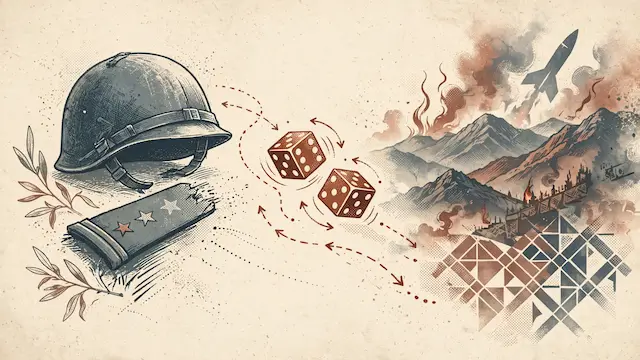
Israeli Prime Minister Benjamin Netanyahu's electoral "failure" may increase the likelihood of a "wild gamble" on Iran, according to military analyst Amos Harel. Washington estimates that the Republican defeat in the US midterm elections has ended the prospect of war in the Persian Gulf, especially after President Donald Trump attributed the loss to this conflict. Netanyahu has returned to his "worn-out claim" of an unusual, urgent security threat from Iran, necessitating a unity government with Gadi Eisenkot, leader of the Yachad Party. Harel reported on Friday that Netanyahu continues to push for an attack on Iran, with either US cooperation or at least its "silent approval."
Despite initial opposition from Israeli Army Chief of Staff Eyal Zamir before the elections, he is reportedly "continuing to create difficulties." The Israeli military acknowledges a real but not imminent threat from Iran, preferring to stabilize the home front and ensure consensus for an attack, anticipating Iranian missile and drone retaliation. The General Staff supports the idea of a future war with Iran, a development Harel describes as "almost incomprehensible," noting that both Netanyahu and Trump have claimed victory multiple times since the first war in June 2025.
Harel added that Netanyahu is pressuring Trump and his aides daily for a new attack on Iran. If US approval is granted, it would be difficult for Zamir to oppose it, leading to far-reaching political consequences. This comes after Naftali Bennett met with Netanyahu without his partners' knowledge, causing a "shock" to Eisenkot's camp.
The Israeli military maintains skepticism about an immediate war with Iran, a situation encountered before. With the Gulf situation unclear and other fronts in a state of low-intensity conflict, an officer in the General Staff stated in a closed military forum that the war has effectively ended for now. The military achieved a decisive outcome or near-decisive outcome on the battlefield and should reduce burdens on ongoing security missions to focus on building strength, such as establishing new units, improving existing ones, and acquiring more weapons.
Plans for 2027 include reducing permanently deployed forces in the West Bank and at the borders, though they will remain higher than pre-war levels. Zamir believes current deployment levels will weaken reserve forces within a few years. Harel noted these projections could be invalidated by a large-scale war against Iran, which military intelligence estimates would affect escalation with Hezbollah in Lebanon. The army also faces a shortage of soldiers.
Beyond the general troop shortage, the army's officer corps has been exhausted by over three years of war, leading to the departure of mid-level officers, particularly captains and majors. The loss of superior officers killed or seriously wounded in combat has resulted in a "noticeable decline in the quality of officers." Junior officers with little experience are being promoted due to a lack of alternatives, as mid-level officers are stretched thin filling gaps left by exhausted superiors. The Air Force also suffers from a deficit of dozens of aircrew and drone operators, with discussions on filling deputy squadron commander positions postponed due to a lack of qualified candidates.
Mentioned


