
Hamas Rebuilding Gaza Rule with 50,000 Officials, 30,000 Militants
Translated & summarized from Kikar HaShabbat by baba
Hamas is rebuilding its governance in Gaza with an estimated 50,000 officials and 30,000 militants, three years into the conflict. Most pre-war ministries and municipalities have resumed operations, providing services and enforcing order. The organization faces cash flow challenges, implementing new tax collection methods and requiring cash payments from businesses. Despite significant wartime damage, Hamas's continued control over civilian and governmental structures suggests its grip on the Strip remains strong.
The story in 5 lines · by baba
- Hamas is rebuilding its governance in Gaza with 50,000 officials and 30,000 militants.
- Most pre-war ministries and municipalities have resumed operations, providing services.
- Hamas faces cash flow issues and is implementing new tax collection methods.
- Hamas is reportedly selling medical documents for overseas treatment for up to $30,000.
- Hamas continues to use hospitals for military purposes, according to intelligence.
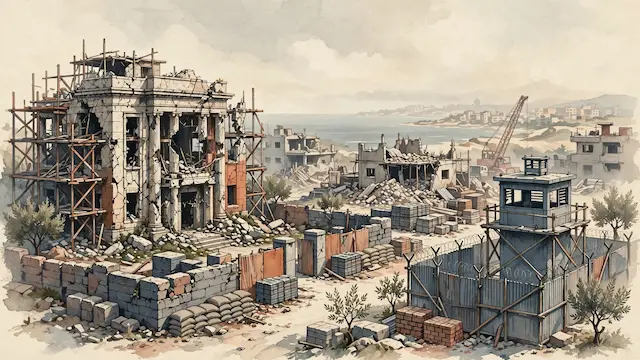
Three years into the ongoing conflict, Hamas is actively reconstructing its governance mechanisms in the Gaza Strip, despite significant damage sustained during the fighting. According to intelligence assessments, the organization's rule is far from collapsing. Approximately 50,000 officials are currently employed within the Strip's governmental structures, supported by an estimated 30,000 armed operatives in its military wing.
Of the 25 municipalities that operated before the war, 22 are now functional. Fourteen continued operations in Hamas-controlled areas throughout the conflict, while eight have resumed activity in areas previously under IDF control. All 17 government ministries have also restarted operations, providing essential services. The Interior Ministry manages security and public order, the Economy Ministry enforces prices and collects taxes, the Health Ministry expands medical facilities, and the Transportation Ministry has reopened licensing centers. Civil defense units remain active in firefighting and rescue, and the Agriculture Ministry oversees crops and market access.
Hamas police and security forces are returning to overt operations after functioning discreetly during much of the war due to IDF threats. A specialized unit, "Arrow," which once comprised hundreds of operatives, has significantly reduced its activity as overt security forces have re-emerged. Concurrently, the IDF continues its operations against terror infrastructure, recently destroying a tunnel posing an immediate threat west of the Gaza border.
A significant challenge for Hamas is acquiring liquid cash. A special financial committee is reportedly collecting taxes from merchants and businesspeople, including retroactively, for goods and truck entries during the war. Nasser Hospital in Khan Younis is allegedly used as a collection point. Businesses are now required to accept at least 30% cash payments, with potential reports issued for non-compliance.
Intelligence suggests an increase in new Hamas recruits, with mosque reconstruction and community activities aiding the organization's re-establishment among the population, particularly youth. Hamas's Health Ministry is reportedly selling medical documents for overseas treatment for $20,000 to $30,000 per person, and is replacing patient escorts with loyalists. Hospitals like Shifa, Al-Aqsa Martyrs, and Nasser are allegedly used for military purposes, with reduced operating hours in some departments to facilitate militant movement. Despite heavy wartime losses, Hamas's continued governance, economic activity, tax collection, and recruitment indicate its persistent grip on Gaza.
Keep up with
Mentioned




