Israel Faces Escalating Incitement Against Arab Citizens
Translated & summarized from Alarab by baba
Arab citizens in Israel are facing escalating incitement and persecution, regardless of their political engagement, whether boycotting or participating in the Knesset. This trend has intensified since the Gaza war, with historical precedents like the banning of the Islamic Movement in 2015. Following the October 2026 elections, Arab voters faced accusations of election manipulation, and a significant rise in hostile online rhetoric was recorded. The article argues the problem stems from the systemic limitations placed on Arab citizens' political roles, not just their choices, highlighting recent arrests and the broader political climate influenced by Prime Minister Netanyahu's rhetoric.
The story in 6 lines · by baba
- Arab citizens in Israel face widespread incitement and persecution, affecting various sectors of the community.
- Incitement has intensified since the October 2023 Gaza war, leading to interrogations for expressing opinions.
- The 2015 ban on the Islamic Movement and the recent prohibition of the Peace Promotion Committee highlight historical repression.
- Arab participation in the October 2026 Knesset elections led to accusations of election manipulation and a surge in hostile rhetoric.
- The article questions whether the issue is political choices or systemic limitations on Arab citizens' roles.
- The arrest of Professor Ibrahim Abu Jaber is cited as an example of ongoing crackdowns on Arab figures.
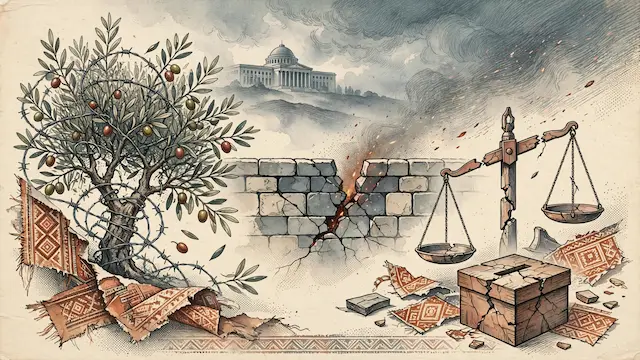
Incitement campaigns targeting Arab citizens of Israel have broadened beyond specific political factions to encompass the entire Arab community, affecting students, academics, healthcare professionals, and workers. This hostile atmosphere, fueled by the rise of the national-religious right and narratives portraying Arab citizens as security or demographic threats, has intensified since the Gaza war began in October 2023. Expressions of opinion, even social media posts, have led to interrogations and investigations.
Historically, such incitement has preceded repressive measures. In November 2015, the Israeli government banned the Islamic Movement, led by Sheikh Raed Salah, after years of political and media campaigns accusing it of threatening security and inciting violence. This ban led to the closure of the movement's institutions and the confiscation of its assets, with ongoing repercussions for its leadership and activities. More recently, in January 2025, activities of the Peace Promotion Committee, affiliated with the Higher Follow-up Committee and chaired by Sheikh Raed Salah, were banned under the pretext of being an extension of the Islamic Movement, despite its stated aim of fostering reconciliation and reducing crime within the Arab community.
Recent Knesset elections in October 2026 saw a significant Arab voter turnout of 77.9%, with Arab lists securing 19 seats. However, this participation has been met with increased incitement, including accusations of "stealing the election" and attempts to delegitimize their political influence. An Israeli "Vek Report" organization noted a 428% rise in hostile rhetoric against Arabs on X (formerly Twitter) in the two days following the election, accompanied by provocative actions by far-right groups in Arab neighborhoods, such as in Lod.
The article questions the logic of targeting both those who boycott the Knesset and those who participate, suggesting the problem lies deeper than political choices. It posits that the issue is rooted in the governing system's limitations on the role of Palestinian citizens of Israel, whether they engage within or outside the Knesset. The recent arrest of Professor Ibrahim Abu Jaber, acting head of the Al-Wafa and Reform Party and a member of the Higher Follow-up Committee, exemplifies the ongoing crackdown on Arab figures since the Gaza war.
The piece also touches upon Prime Minister Benjamin Netanyahu's political discourse, which frames him as the protector of Zionism and Israel's security, linking his continued rule to the nation's future. This narrative, sometimes intertwined with religious interpretations in right-wing circles, raises questions about his potential response to losing power and its implications for Israeli society and the region.
Mentioned