
Israeli Police Uncover Bank Fraud Scheme, Arrest Two Suspects
Translated & summarized from Cursorinfo by baba
Israeli police have arrested two individuals in central Israel for a bank fraud scheme that stole funds and opened loans in victims' names. The criminals used fake bank messages and websites to steal online banking credentials. Police are warning citizens to avoid suspicious links and to always verify communications directly with their bank through official channels. Indictments were filed on November 19th against the two suspects.
The story in 5 lines · by baba
- Israeli police arrested two suspects in a bank fraud scheme using fake websites and calls.
- The criminals stole money and opened loans in victims' names.
- Victims were tricked into clicking links and revealing online banking credentials.
- Police urge citizens to avoid suspicious links and verify communications directly with banks.
- Indictments were filed on November 19th against the two arrested individuals.
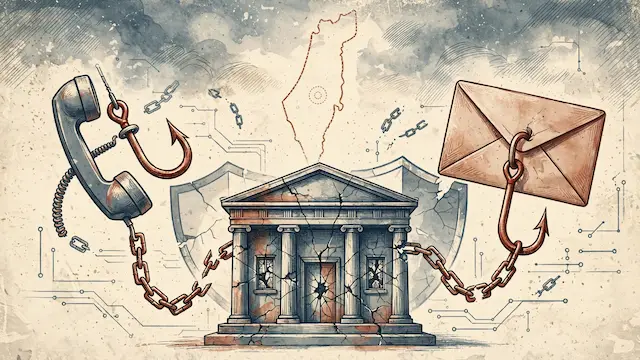
Israeli police have dismantled a sophisticated bank fraud operation that targeted citizens by tricking them into revealing sensitive financial information. The scheme involved sending fake bank notifications via text message, often accompanied by phone calls from individuals posing as bank employees. These messages urged recipients to click on a link to access their accounts, update personal details, or perform other actions. The links, however, led to fake websites designed to mimic legitimate banking portals, where victims would enter their login credentials. The perpetrators then used this information to gain full access to victims' online banking, steal funds, and even open loans in their names, leaving them with significant debt. The investigation, conducted by Lahav 433's National Cyber Unit, revealed that the criminals aimed to obtain complete access to banking accounts rather than just isolated personal data. Police arrested two residents of central Israel on November 8th in connection with the fraud. Following intensive interrogations, prosecutors from Lahav 433 filed indictments against the suspects on November 19th, charging them with fraudulent access to bank accounts and conducting financial transactions on behalf of victims. Authorities are using this case to warn the public about the dangers of phishing messages and to emphasize the importance of verifying financial communications. They advise citizens to avoid clicking suspicious links and to always use official banking apps or manually enter bank website addresses. If a suspicious call is received, individuals should independently contact their bank using numbers from official sources, not those provided by the caller. Crucially, people should never share passwords, one-time codes, or other account access details with anyone, even if they claim it's for security purposes. Victims who have entered their data on fake sites are urged to immediately contact their bank to report the potential compromise, block suspicious transactions, and review their account activity.
The same event, reported separately by each outlet. Open a few to compare what different newsrooms emphasize — and what they leave out.
Centre 2Haredi 1Other 2





Not the same event — other stories that share this one’s people, places, or theme: background, reactions, and follow-ups.
