
Bat Yam, Haifa, Acre Lead Israel in Child Road Accident Injuries
Translated & summarized from N12 by baba
Bat Yam, Haifa, and Acre reported the highest rates of child road accident injuries between 2021-2025, according to the Or Yarok Association. The safest cities were Modi'in Illit, Beit Shemesh, and Modi'in-Maccabim-Re'ut. The association's CEO called for national measures to reduce traffic speeds near children. So far in 2026, 43 children have died in road accidents, an increase from last year.
The story in 5 lines · by baba
- Bat Yam, Haifa, and Acre had the most child road accident injuries from 2021-2025.
- Modi'in Illit, Beit Shemesh, and Modi'in-Maccabim-Re'ut were the safest cities for children.
- Or Yarok CEO Yaniv Yaakov urged national traffic calming measures.
- 43 children have died in road accidents in 2026, up from 35 in 2025.
- Pedestrian children accounted for 63% of all child fatalities this year.
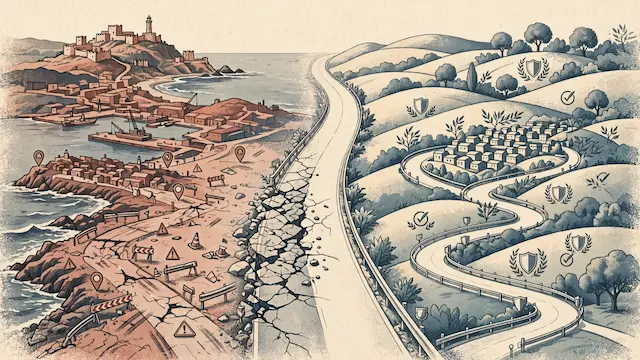
Bat Yam, Haifa, and Acre have recorded the highest number of child injuries in road accidents over the past five years, according to data released by the Or Yarok Association ahead of International Children's Day. The organization's findings highlight the least safe cities for children regarding traffic accidents between 2021 and 2025.
In Bat Yam, 90 children were injured, translating to 0.839 injuries per 1,000 children. Haifa saw 237 total injuries, averaging 0.826 per 1,000 children, while Acre had 46 injuries, averaging 0.768 per 1,000. The study, based on Central Bureau of Statistics data, also identified the safest cities: Modi'in Illit with 0.999 injuries per 1,000 children, Beit Shemesh with 0.213, and Modi'in-Maccabim-Re'ut with 0.236.
Further down the list of less safe cities are Afula, ranking fourth with 0.712 injuries per 1,000 children (62 total), and Eilat, fifth with 0.706 injuries per 1,000 (43 total). The association also examined cities with the largest child populations, finding Jerusalem ranked 20th with 697 injuries (0.423 per 1,000), Bnei Brak 20th with 187 injuries (0.397 per 1,000), and Tel Aviv-Yafo with 267 injuries (0.579 per 1,000).
Yaniv Yaakov, CEO of the Or Yarok Association, stated that the "difficult data proves it is dangerous to be a child in Israel." He emphasized that a "large majority of children are killed while walking," urging the Ministry of Transport and Road Safety to "lead a national initiative to moderate and curb traffic in those areas." Yaakov added, "The time has come to take responsibility instead of blaming the children, only then can we save lives."
Tragically, 43 children have died in road accidents since the start of 2026, a significant increase from the 35 child fatalities in all of 2025. This year's toll is nearing the 44 child deaths recorded in 2004 and 2010. Children under 14 constitute 11% of all road accident fatalities this year. Notably, 27 child pedestrians have been killed, representing 63% of all child fatalities, or more than one in two child deaths.
Mentioned
The same event, reported separately by each outlet. Open a few to compare what different newsrooms emphasize — and what they leave out.
Coverage from N12

Not the same event — other stories that share this one’s people, places, or theme: background, reactions, and follow-ups.

