
European Club Association Files Antitrust Complaint Against UEFA
Translated & summarized from Sport5 by baba
The European Club Association (UEC), representing 140 smaller clubs, has filed an antitrust complaint against UEFA with the European Commission, alleging abuse of power and stifling of competition. The complaint centers on UEFA's exclusive agreement with the powerful European Football Association (EFC), which the UEC claims unfairly benefits elite clubs. The UEC also advocates for a proposal to distribute 5% of European competition revenues to clubs that developed players, which could significantly impact Israeli football clubs financially.
The story in 6 lines · by baba
- 140 European clubs filed an antitrust complaint against UEFA for stifling competition.
- The UEC alleges UEFA's exclusive deal with the EFC unfairly benefits elite clubs.
- The complaint cites a 2023 European Court of Justice ruling against UEFA and FIFA.
- The UEC seeks 5% of European competition revenue for clubs that developed players.
- This could provide significant financial benefits to Israeli football clubs.
- The UEC was formed in 2023 to represent non-elite European football clubs.
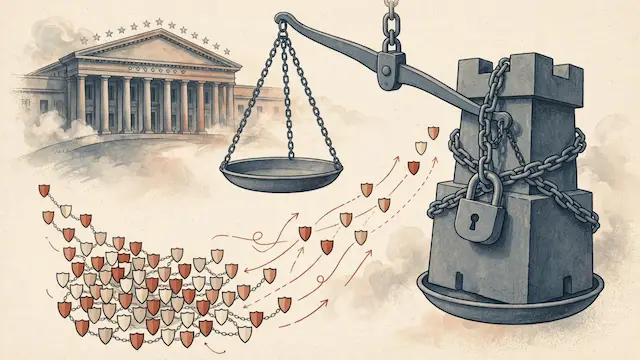
The European Club Association (UEC), representing 140 smaller and medium-sized European clubs, has filed a formal complaint with the European Commission in Brussels against UEFA. The UEC alleges that UEFA is stifling free competition and abusing its dominant position through an exclusive legal cooperation agreement signed until 2033 with the European Football Clubs (EFC), a powerful organization of approximately 800 clubs led by Paris Saint-Germain president Nasser Al-Khelaifi.
The UEC argues that the EFC's exclusive access to negotiations with UEFA regarding participation criteria and the distribution of billions of euros in grants disrupts competitive balance. They claim the current system ensures that only a select group of elite clubs consistently remain at the top of the Champions League, leaving others far behind.
The legal arguments of the smaller clubs are based on a 2023 ruling by the European Court of Justice in Luxembourg, which sided with "Super League" clubs and found UEFA and FIFA in violation of competition laws. Miguel Maduro, an expert in governance who was formerly dismissed from FIFA and is advising the UEC, stated, "This case is about using European competition law to protect the European sport model of truly open and balanced competitions."
This complaint follows another case opened in 2024 by the European Leagues and the FIFPRO players' union (which has since reached an agreement and withdrawn) against FIFA, alleging the expansion of tournaments for purely commercial reasons.
The UEC was established in 2023 to give a voice to clubs outside the economic elite. Notable members include Belgium's Union Saint-Gilloise, Spain's Levante and Osasuna, England's Burnley, Germany's St. Pauli, and Scotland's Aberdeen.
A key point of contention for these clubs is UEFA's refusal to adopt the UEC's proposal to allocate 5% of the annual revenue from the three European competitions to clubs that developed the participating players. The UEC estimates this policy would have distributed approximately 67 million euros ($74 million) last season to clubs outside the top leagues, a sum that could significantly alter the financial reality for dozens of teams across the continent.
These developments could have significant economic and professional implications for Israeli football. Adopting the 5% revenue sharing proposal for clubs that developed players would provide direct grants to Israeli clubs like Maccabi Tel Aviv, Maccabi Haifa, Maccabi Petah Tikva, and MS Ashdod whenever a homegrown player, such as Oscar Gloukh, Manor Solomon, or Daniel Peretz, participates in European competitions. Furthermore, curbing the monopoly of elite clubs might ensure that spots in European league stages remain open for Israeli representatives through qualifiers and could lead to a fairer distribution of prize money in the Europa League and Conference League.
Mentioned

