
Trump Considers Joint Military Operation With Israel Against Iran
Translated & summarized from Kipa by baba
President Donald Trump is reportedly reconsidering a joint military operation with Israel against Iran, exploring options that include targeting nuclear facilities and key officials. This comes despite his earlier assessment of such strikes being unlikely. While Israeli Prime Minister Benjamin Netanyahu is pushing for action, Gulf states reportedly oppose it, favoring continued economic pressure. The White House is preparing for potential Iranian responses should military action be chosen, with a final decision pending Trump's return from Asia and further discussions.
The story in 6 lines · by baba
- President Trump is reconsidering a joint military operation with Israel against Iran.
- Potential targets include Iranian nuclear facilities and senior officials.
- Prime Minister Netanyahu is reportedly pushing for military action.
- Gulf states oppose military strikes, preferring economic pressure.
- The White House is preparing for potential Iranian retaliation.
- A final decision is expected after Trump's return from Asia.
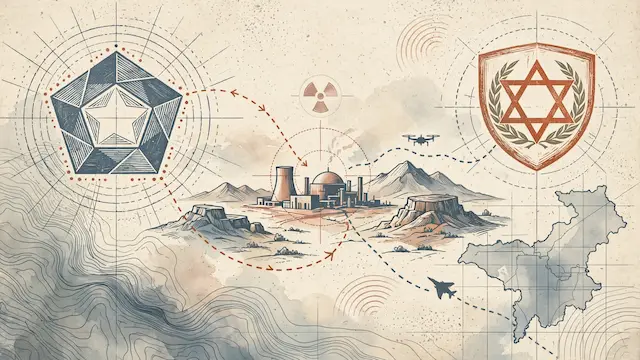
U.S. President Donald Trump is still considering a potential joint military operation with Israel against Iran, despite previously assessing new American strikes as "highly unlikely." According to two sources familiar with the matter, the White House continues to examine military options, with discussions expected to resume after Trump's return from an Asian tour later this week. The evaluated options include targeting strategic sites in Iran such as nuclear facilities, bridges, and power stations, as well as eliminating senior military and civilian officials. Mount Carmel is also mentioned as a potential target.
In a Fox News interview on Wednesday, Trump addressed the possibility of renewed conflict, stating, "We'll see what happens. A new year is coming and we'll see what happens after January 1. They have behaved in a despicable way, they are despicable people." When asked about public concerns regarding further military confrontation, Trump attempted to alleviate fears while issuing a stern warning: "I don't think so, but if it happens, we will wipe them out." These remarks highlight the uncertainty surrounding the administration's policy, which has yet to finalize a decision on further military intervention.
Behind the scenes, various factions are attempting to influence the President's decision. Israeli Prime Minister Benjamin Netanyahu is reportedly pushing for a swift resumption of military action against Iran, with his own political situation in Israel also a factor. Conversely, Gulf states oppose such a move, fearing that an American strike could provoke a severe Iranian response that would impact their territories and regional interests. These nations prefer Washington to maintain economic pressure and naval blockades rather than escalate militarily, believing economic damage could achieve U.S. objectives without risking war.
The White House has acknowledged the concerns of its regional allies. A senior U.S. official stated, "As President Trump and Secretary Rubio have said, our economic pressure campaign is causing so much damage to Iran that the President has no need to conduct large-scale combat operations. However, all options remain available to President Trump to ensure Iran never has nuclear weapons."
Alongside public statements, Washington is preparing for potential scenarios should the President opt for military action. The White House has directed the Pentagon and the intelligence community to prepare detailed assessments of possible Iranian responses to proposed attack plans. These analyses aim to evaluate the implications of each alternative and provide the administration with a comprehensive picture before a decision is made. Trump is currently balancing pressure from Israel, concerns from Gulf states, and assessments from U.S. security officials. While administration officials emphasize the significant damage Iran is already sustaining from economic sanctions, the possibility of renewed military engagement remains on the table, with a final decision expected after the President's return and subsequent discussions.
Mentioned




