
Taiwan Integrates Israeli Tech Into Drone Development Amid China Threat
Translated & summarized from Globes by baba
Taiwan is integrating Israeli anti-jamming technology into its domestically produced loitering munitions, known as suicide drones, amid escalating tensions with China. Local firm Thunder Tiger presented its drones, which feature Israeli technology, to Taiwan's Ministry of National Defense. This development is part of Taiwan's significant increase in defense spending and focus on unmanned systems to counter China's military might. The island nation is also seeking to diversify its defense suppliers, as it currently relies heavily on the U.S.
The story in 6 lines · by baba
- Taiwan is integrating Israeli anti-jamming technology into its suicide drones to counter China's threat.
- Local company Thunder Tiger presented its loitering munitions with Israeli tech to Taiwan's Ministry of Defense.
- Taiwan's defense budget has significantly increased, with a growing focus on unmanned systems.
- Thunder Tiger's drone designs are influenced by low-cost, high-volume munitions like the Iranian Shahed 136.
- Taiwan seeks to diversify defense suppliers due to heavy reliance on the United States.
- Saudi Arabia has become Taiwan's largest drone customer, paying premium prices.
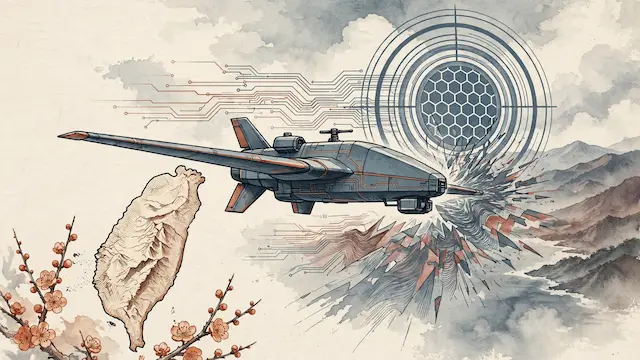
Taiwan is significantly accelerating its defense capabilities due to fears of an impending invasion by China. Local company Thunder Tiger recently presented its loitering munitions, also known as suicide drones, to Taiwan's Ministry of National Defense in Taipei. These drones incorporate Israeli-developed anti-drone jamming technologies. This move highlights Taiwan's increasing reliance on unmanned systems, a global trend amplified by the clear and present threat from Beijing, which Taiwan cannot match in terms of manpower.
Unmanned systems for air, sea, and land are becoming a substantial part of Taiwan's defense budget, which has seen a dramatic increase. In 2020, the budget was approximately $13.9 billion USD, rising to about $31.27 billion USD this year. The investment as a percentage of GDP jumped from 2.08% to 3.32%, with a budget of around $35.3 billion USD approved for next year and a target of 5% of GDP by 2030, aligning with NATO's goals but ahead of schedule.
Thunder Tiger, founded in 1979 as a manufacturer of hobbyist remote-controlled models, transitioned to military unmanned systems in 2015. The company, which is publicly traded in Taipei, has gained attention for its products, including the "Papa Delta" drone, which shares a delta-wing design with the Iranian Shahed 136. This design is favored for its low cost and ability to launch numerous munitions. Thunder Tiger's "Papa Delta" was sent to Ukraine for field testing, though Kyiv ultimately did not purchase it due to economic and geopolitical reasons, including Ukraine's trade relationship with China.
Despite China's efforts to limit Taiwan's international recognition, significant defense deals are occurring. Saudi Arabia became Taiwan's largest drone customer in June, paying ten times the price per unit compared to other nations. Taiwan's drone exports have surged by 2,000% year-on-year, with major clients like the Czech Republic and Poland reportedly facilitating shipments to Ukraine. However, Taiwan's overall defense imports remain relatively small compared to China's, and the island heavily relies on the United States for its military hardware, prompting a desire to diversify its sources.