
IDF Chief of Staff Eyal Zamir Advocates for US Coordination in Iran Conflict
Translated & summarized from Maariv by baba
IDF Chief of Staff Eyal Zamir is in the minority, advocating for U.S. coordination before any potential strike on Iran. The IDF is preparing for conflict with Iran and Lebanon through drills, including mass casualty simulations at hospitals. Zamir has also presented the military's legislative priorities to the government, focusing on conscription and service length.
The story in 5 lines · by baba
- IDF Chief of Staff Eyal Zamir stresses U.S. coordination for any Iran offensive.
- IDF prepares for potential conflict with Iran and Lebanon.
- Hospitals and Home Front Command conduct mass casualty and rescue drills.
- IDF demands legislative changes on conscription and service length.
- Zamir's stance differs from heads of Mossad, Shin Bet, and National Security Council.
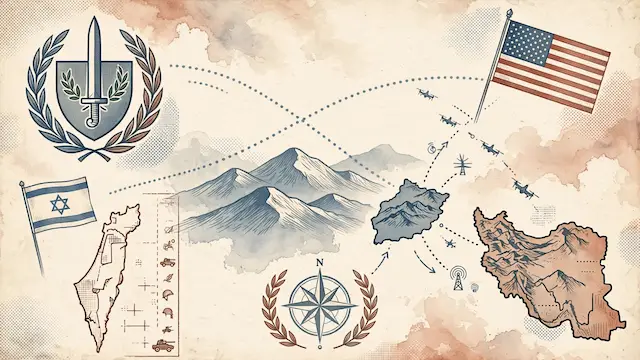
The Chief of Staff, Eyal Zamir, finds himself in a minority position regarding a potential conflict with Iran, emphasizing the necessity of American cooperation. He believes that any offensive action should not proceed without American involvement, including intelligence sharing before and during operations, and access to U.S. refueling aircraft. This stance contrasts with the views of the heads of the Mossad, Shin Bet, and the National Security Council.
The Israel Defense Forces (IDF) are preparing for a potential escalation with Iran, which they anticipate would also involve conflict on the northern front with Lebanon. In response, the Home Front Command and hospitals are conducting drills. The Home Front Command is practicing rescue operations at simulated disaster sites, while Barzilai Hospital in Ashkelon will simulate a mass casualty incident, receiving dozens of 'wounded' to test its emergency room capacity.
Chief of Staff Zamir has also outlined the IDF's immediate legislative demands to any future government. These include a conscription law, a reserve duty law, and a law to extend regular service back to 36 months. These preparations and demands underscore the military's readiness for complex, multi-front scenarios.
Mentioned

