
MK Elissaf Peretz Visits Unity Tent with Food Gift
Translated & summarized from Arutz Sheva by baba
MK Elissaf Peretz visited MK Elicha Medan's unity tent with a bag of food, joking about his Moroccan heritage. The visit took place on the eve of the memorial day for Peretz's brother. Several other MKs and prominent rabbis also visited the tent, which aims to promote unity and mutual responsibility. Medan highlighted the importance of shared values over disagreements, citing visits from widows of fallen soldiers and victims of terror.
The story in 5 lines · by baba
- MK Elissaf Peretz visited MK Elicha Medan's unity tent with a food gift.
- Peretz's visit occurred on the eve of the memorial day for his brother, Uriel Peretz.
- Rabbi Shmuel Eliyahu and several other MKs also visited Medan's unity tent.
- Medan emphasized shared values and mutual responsibility among Israelis.
- Widows of IDF soldiers and victims of hostile acts visited the tent.
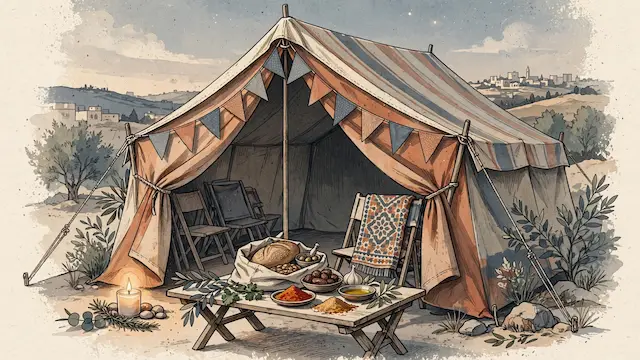
Member of Knesset Elissaf Peretz visited the unity tent established by MK Elicha Medan on Monday, the eve of the memorial day for his brother, Lieutenant Uriel Peretz. Peretz arrived at the tent carrying a bag of food, which he presented to those present, joking, "I'm Moroccan, you can't come empty-handed." The visit occurred on a day marking the memorial eve for his brother. Later that evening, Rabbi Shmuel Eliyahu, Chief Rabbi of Safed and a senior figure among Religious Zionist rabbis, also visited the tent to offer support to Medan. Earlier, several Members of Knesset from the National Unity party visited the tent, including Hili Tropper, Matan Kahana, Shira Shapira, and Yisrael Zarhi. The party's chairman, MK Gadi Eisenkot, also met with Medan for an extended period. During the day, Ayelet Hariv and Ella Pree, widows of IDF soldiers and victims of hostile acts, also visited the tent. Medan commented on their visit, stating that these women, carrying immense pain and loss, choose to voice connection, mutual responsibility, and hope. He emphasized that even amidst grief, they remind everyone that what unites them is greater than what divides them. Medan added that agreement on all issues is not necessary to remember they are one people, sharing collective pain and responsibility for their future, even in disagreement.
Mentioned

