
IDF Home Front Command Updates Alert System for Enhanced Citizen Safety
Translated & summarized from Cursorinfo by baba
The IDF's Home Front Command has updated its public warning system with a new three-color alert system (yellow, red, green) to provide earlier and clearer notifications of threats. The system, now available on smartphones and smart TVs, aims to help citizens prepare for attacks, especially long-range missile launches. Alerts will appear on smartphone lock screens, and users can monitor multiple locations. The Command urges citizens to update the app for enhanced safety.
The story in 6 lines · by baba
- IDF Home Front Command launched a new three-color alert system for public warnings.
- Yellow, red, and green signals indicate potential, immediate, and end-of-threat stages.
- New system provides earlier warnings for long-range ballistic missile launches.
- Alerts will now display on smartphone lock screens for faster response.
- Users can monitor up to ten additional locations in Israel via the app.
- The updated system is also available on compatible smart TVs and set-top boxes.
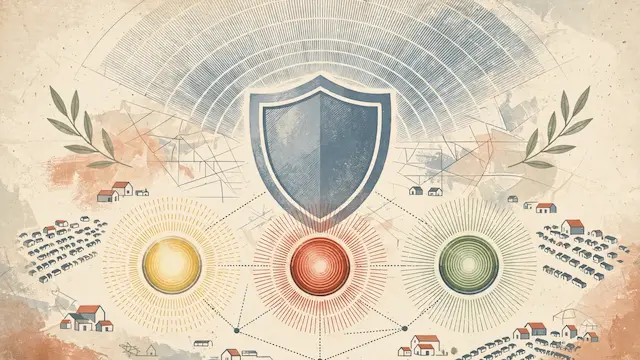
The IDF's Home Front Command has launched a significant overhaul of its public warning system, aiming to provide citizens with earlier and clearer notifications of impending threats. The updated system, introduced on Monday, November 16, features a new three-color alert system designed to help individuals prepare for potential attacks and understand necessary actions more quickly. These enhancements are integrated into smartphones, smart TVs, and set-top boxes, drawing on lessons learned from past military operations, including extensive rocket barrages.
The primary goal of the update is to deliver more understandable threat information to the public before the standard air raid siren is activated. This is achieved through revised visual cues, distinct audio signals, and a streamlined notification process. The system now includes yellow, red, and green signals. A yellow alert indicates a potential, distant threat, prompting individuals to stay near a safe space and be ready to take cover. A red alert signifies immediate danger, requiring immediate entry into a protected area, and is accompanied by the familiar siren sound. A green signal confirms the official end of a dangerous event, allowing people to leave shelters once cleared.
A key innovation is the yellow alert, specifically designed for long-range ballistic missile launches, such as those potentially from Iran, where minutes may exist between detection and impact. This preliminary warning allows citizens to identify the nearest shelter and prepare for a potential red alert. The yellow signal itself does not mandate immediate sheltering. Additionally, alerts will now appear on smartphone lock screens, displaying the nature of the threat and required actions without needing to unlock the device or open the app, a crucial improvement for nighttime alerts and situations demanding split-second decisions.
All warnings, instructions, and updates will be consolidated into a single, real-time chronological feed, reducing confusion from social media reports and providing official guidance in one place. The system also allows users to select up to ten additional areas in Israel to monitor, such as locations where relatives live or work, clearly distinguishing these from alerts pertaining to the user's immediate vicinity. This geographical differentiation is vital for those traveling within the country.
The updated system is also available on smart TVs and set-top boxes supporting Android TV and Google TV platforms, including services from Cellcom, Partner, Yes, and HOT. The Home Front Command urges citizens to ensure they have the latest version of the app installed and to configure their location settings and additional monitored areas correctly. They emphasize that even a few extra seconds of preparation can significantly enhance citizen safety during rocket attacks.
The same event, reported separately by each outlet. Open a few to compare what different newsrooms emphasize — and what they leave out.
Right 1Other 1

Not the same event — other stories that share this one’s people, places, or theme: background, reactions, and follow-ups.
