
Iranian Recruitment Efforts Target Israeli Civilians, Including Haredi Community
Translated & summarized from Kikar HaShabbat by baba
Iranian intelligence is reportedly recruiting Israeli civilians, including within the Haredi community, through social media for information gathering and missions. Cases include a Beit Shemesh man sentenced to three years for contact with a foreign agent and two Modi'in Illit youths indicted for relaying information on checkpoints. A Petah Tikva resident received a thirteen-and-a-half-year sentence for escalating tasks from graffiti to arson. Authorities warn citizens to report suspicious requests to the police or Shin Bet, emphasizing that the legal consequences far outweigh any financial reward.
The story in 6 lines · by baba
- Iranian intelligence is recruiting Israeli civilians, including Haredi community members, for espionage.
- Recruitment often starts with small financial offers on messaging apps for seemingly minor tasks.
- Elimelach Stern received three years for contact with a foreign agent and conspiracy.
- Two youths from Modi'in Illit face charges for allegedly relaying checkpoint information to Iran.
- Alexander Granovsky was sentenced to 13.5 years for escalating tasks including arson.
- Authorities urge vigilance and reporting of suspicious requests to police or Shin Bet.
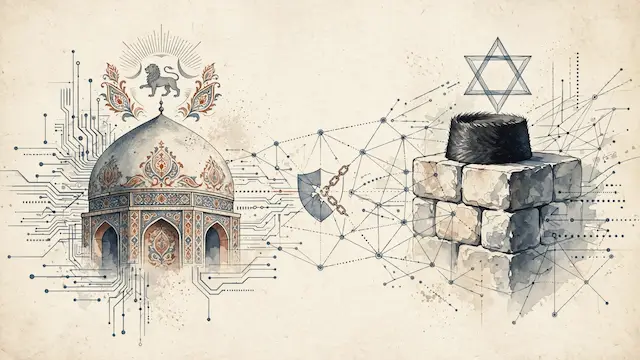
Iranian intelligence operatives are reportedly attempting to recruit Israeli citizens, including those within the Haredi community, to gather information and carry out missions. These recruitment efforts often begin with seemingly innocuous messages on platforms like Telegram, offering small sums of money for tasks such as photographing buildings, posting advertisements, or relaying minor pieces of information. What appears to be an easy way to earn a few hundred shekels can, in reality, be a trap set by Iranian agents seeking to build their intelligence network.
Several cases have come to light in recent years illustrating the reach of these operations. Elimelach Stern, a Beit Shemesh resident, was sentenced to three years in prison in February 2026 after being convicted of contact with a foreign agent and conspiracy to threaten. He had engaged with an individual named "Anna" on Telegram, performing tasks like posting ads and transferring funds in exchange for digital currency.
In another case, an indictment was filed in April 2026 against two young men from Modi'in Illit, Israel Levkovich and Ural Makitan. They are accused of communicating with Iranian handlers and providing them with information and documentation about checkpoints and travel routes, for which they allegedly received over $1,000. These are allegations presented in the indictment, not yet convictions.
The potential escalation of such tasks is highlighted by the case of Alexander Granovsky from Petah Tikva. His initial assignments, which included spraying graffiti, evolved into photographing infrastructure facilities and setting vehicles on fire. He was sentenced to thirteen and a half years in prison in September 2026 after confessing and being convicted.
A common thread in these incidents is the initial contact via social media or messaging apps, often under a false identity, with promises of quick money for seemingly minor requests. However, even seemingly harmless actions like photographing a street or providing a location can be exploited by hostile actors, leading to further demands after the first task is completed. Authorities advise citizens to exercise caution when approached by unknown individuals requesting information or tasks for payment, urging them to refrain from complying, save correspondence, and report such incidents to the police or the Shin Bet (Israel Security Agency). The potential cost of such involvement far outweighs any financial gain, as one saying summarizes: "The money will run out, the case against you will remain."
Mentioned
The same event, reported separately by each outlet. Open a few to compare what different newsrooms emphasize — and what they leave out.
Haredi 2

Not the same event — other stories that share this one’s people, places, or theme: background, reactions, and follow-ups.