
Ex-Minister Segev's Downfall: From Drug Smuggling to Spying for Iran
Translated & summarized from Cursorinfo by baba
Former Israeli Minister Gonen Segev was sentenced to 11 years in prison for spying for Iran, following a prior conviction for attempting to smuggle 32,000 ecstasy pills in 2004. The drug smuggling case involved a forged diplomatic passport and a failed attempt to transport the drugs hidden in candy packaging from the Netherlands. After serving part of his sentence, Segev allegedly began working with Iranian intelligence in 2012, providing sensitive information about Israel's energy and security sectors. He was extradited to Israel in 2018 and subsequently pleaded guilty to espionage.
The story in 6 lines · by baba
- Former Israeli Minister Gonen Segev was sentenced to 11 years for spying for Iran.
- Segev was previously convicted for attempting to smuggle 32,000 ecstasy pills in 2004.
- He used a forged diplomatic passport and claimed a secret mission during the drug smuggling attempt.
- Segev allegedly began working with Iranian intelligence in 2012 after moving to Nigeria.
- He provided information on Israel's energy and security sectors to Iranian handlers.
- Segev was extradited to Israel in 2018 and reached a plea deal for espionage charges.
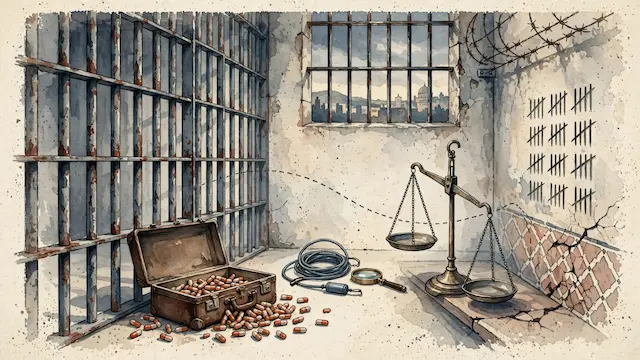
Former Israeli Minister of Energy Gonen Segev was involved in a complex criminal history, first being caught attempting to smuggle 32,000 ecstasy pills into Israel and later convicted of espionage for Iran. The details of the drug smuggling attempt, which occurred in 2004, were revealed over 20 years later by Avi Neumann, an investigator who worked on the case.
Segev, along with alleged accomplices Moshe Werner and Ariel Friedman, planned to import approximately 32,000 ecstasy tablets. During a trip to the Netherlands in April 2004, Segev drew suspicion at Amsterdam Schiphol Airport when he presented a forged diplomatic passport, claiming to be on a secret government mission. He had altered the expiration date to make it appear valid until 2006. Although he avoided immediate inspection, the incident raised further red flags.
Three days later, Segev was allegedly given the drugs, hidden in candy packaging, by Werner at a hotel near the airport. Segev then attempted to board a flight back to Israel, but after a previous encounter with Dutch police, he placed the drug-filled packages in a locker and replaced them with ordinary candy. He managed to board his flight, leaving the drugs behind. Dutch authorities later discovered the 32,000 ecstasy pills in the locker.
Israeli police delayed Segev's arrest to gather more evidence. He was detained upon arrival at Ben Gurion Airport on April 12, 2004, but was not thoroughly searched due to his former high-ranking position. Segev initially denied involvement but eventually implicated Werner and Friedman. He pleaded guilty in February 2005 to drug smuggling, document forgery, and using a forged passport, receiving a five-year prison sentence and a fine. Werner died in custody, and Friedman confessed to his role.
After his release from prison in 2007, Segev moved to Nigeria. In 2012, he allegedly made contact with Iranian embassy officials and was recruited by Iranian intelligence. He reportedly met with his handlers in various countries, visited Iran twice, and was given a secure communication system. The information he provided allegedly concerned Israel's energy sector, security installations, government and defense bodies, and individuals in those fields. He also attempted to introduce Iranian agents to Israelis involved in security and foreign relations.
In May 2018, Segev was apprehended in Equatorial Guinea and extradited to Israel due to his criminal past. He was arrested and interrogated by the Shin Bet and police. On June 15, 2018, he was charged with espionage, aiding an enemy, and providing information to an enemy during wartime. In January 2019, Segev reached a plea deal, admitting to espionage and providing information to an enemy, while the charge of aiding an enemy during wartime was dropped. He was sentenced to 11 years in prison on February 26, 2019. The prosecution cited national security concerns, including the potential need to reveal classified intelligence methods, as a reason for the plea agreement.
Mentioned
The same event, reported separately by each outlet. Open a few to compare what different newsrooms emphasize — and what they leave out.
Centre 1Other 1

Not the same event — other stories that share this one’s people, places, or theme: background, reactions, and follow-ups.