Health Ministry Panel Recommends Systemic Overhaul for Women's Health
Translated & summarized from Ministry of Health by baba
A Ministry of Health committee has recommended a systemic overhaul of women's health policy in Israel, moving towards a comprehensive, life-cycle approach. The proposals, chaired by Mali Kusha and endorsed by Director-General Moshe Bar Siman Tov, aim to integrate preventive care, address mental health, and improve services for all age groups. The ministry is now reviewing the recommendations to develop a multi-year action plan to enhance women's health across the country.
The story in 5 lines · by baba
- Israel's Ministry of Health committee proposes a national policy shift for women's health.
- The new policy will address women's health across their entire life cycle, not just reproductive issues.
- Recommendations include strengthening preventive care, mental health services, and tailored treatments.
- The committee emphasizes research-based policies and reducing health disparities among women.
- The Ministry of Health is developing a multi-year plan based on these recommendations.
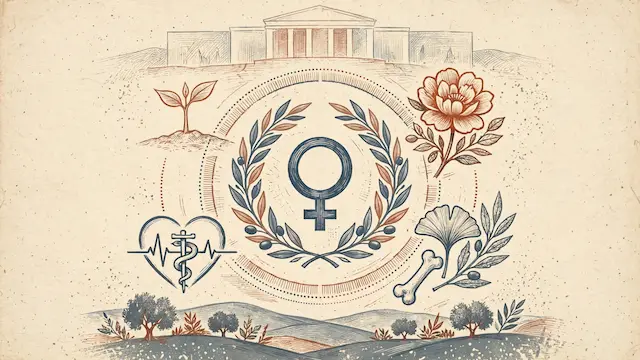
A steering committee appointed by the Ministry of Health's Director-General, Moshe Bar Siman Tov, has submitted recommendations for a comprehensive national policy on women's health in Israel. Chaired by Mali Kusha and supported by eight expert teams, the committee advocates for a fundamental shift from fragmented, issue-specific responses to a structured national approach. This new policy would address women's health throughout their entire life cycle, extending beyond traditional areas like pregnancy, childbirth, and gynecology.
The committee's proposals are rooted in research and medical knowledge, recognizing the impact of biological, gender, social, and cultural differences on health outcomes. It emphasizes a broad view of women's health as integral to the overall quality and excellence of the healthcare system. The recommendations aim to promote research-based policies, strengthen preventive medicine and early detection, develop tailored services, reduce health disparities, and increase women's participation in decision-making roles.
Specific recommendations cover various life stages and health concerns. For children, adolescents, and young women, the focus is on preventing and early detecting mental distress, eating disorders, anemia, and endometriosis. For menopausal women, the committee suggests integrating menopause care into routine health services, improving awareness, training medical staff, and enhancing access to diagnosis and treatment. Mental health services should be adapted to different life stages, addressing trauma, violence, pregnancy, childbirth, hormonal changes, and social risk factors.
For older women, the recommendations call for tailoring prevention, diagnosis, and treatment to chronic illnesses, heart and bone health, cognition, pain, and functional capacity. Furthermore, the committee stresses the importance of strengthening research and medical data related to sex and gender to improve diagnostic and treatment quality and reduce disparities.
The Ministry of Health is currently reviewing these recommendations to formulate a multi-year work plan. Director-General Bar Siman Tov stated that the excellence of a healthcare system is measured by its ability to evolve, utilize current knowledge, and adapt services to population needs, with women's health being a crucial component. He emphasized the responsibility to translate these recommendations into practical steps with clear goals and success metrics.
Keep up with
Mentioned


