
US Treasury Secretary Moves to Military Base Amid Iranian Threats
Translated & summarized from Kipa by baba
U.S. Treasury Secretary has moved to a military base in response to advanced Iranian threats against his life, according to The New York Times. The U.S. Treasury Secretary leads the economic pressure campaign against Iran, which includes sanctions. Meanwhile, intelligence estimates indicate Iran continues to produce about 50 ballistic missiles monthly, retaining a significant military threat.
The story in 5 lines · by baba
- Treasury Secretary relocated to a military base due to Iranian threats.
- Intelligence agencies believe Iranian plans to harm U.S. officials are advanced.
- The U.S. Treasury Secretary leads the U.S. economic campaign against Iran, including sanctions.
- Iran reportedly continues to produce around 50 ballistic missiles monthly.
- Iran still possesses at least 1,700 ballistic missiles, maintaining a military threat.
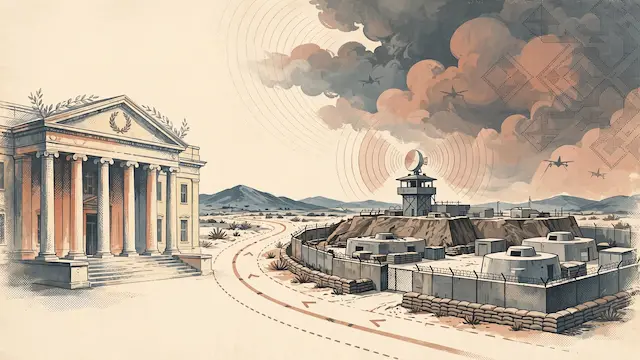
U.S. Treasury Secretary recently relocated from his Washington home to a military base due to Iranian threats against his life, according to a report by The New York Times. American intelligence agencies reportedly assess that Iranian plans to harm current and former U.S. government officials have reached advanced stages. The Treasury Department confirmed the move to the military base.
The U.S. Treasury Secretary, considered a key figure in the Trump administration, is leading the economic campaign against Iran, which includes extensive sanctions and blockades of Iranian ports. Concerns for his safety reportedly escalated after an aerial photograph of his home was published, revealing its location. The Treasury Department stated that the secretary will not be deterred by the threats and will continue to spearhead the policy of economic pressure on Tehran.
Concurrently, another concerning report from Iran indicates that Western intelligence estimates suggest Iran continues to produce approximately 50 ballistic missiles monthly, despite U.S. and Israeli attacks on its military industry facilities. This production rate is about half of what it was before the war. These estimates also suggest Iran possesses at least 1,700 ballistic missiles, demonstrating Tehran's capacity to maintain a significant military threat despite damage to its infrastructure.
Mentioned


