
Iran's Ballistic Missile Industry Shows Resilience Despite Attacks
Translated & summarized from Maariv by baba
Western intelligence reveals Iran is producing about 50 ballistic missiles monthly, half its previous capacity, despite Israeli and U.S. attacks. Russia is reportedly supplying Iran with weapons, while Iran has launched thousands of drones and missiles. U.S. interceptor costs are straining resources, with only 650 Patriot missiles produced annually.
The story in 5 lines · by baba
- Iran produces approximately 50 ballistic missiles monthly despite Israeli and U.S. attacks.
- Russia is reportedly supplying Iran with offensive weapons for combat.
- Iran has launched over 4,900 drones and 2,200 ballistic missiles since late February.
- U.S. Patriot missile interceptors cost $4 million each and are produced at 650 per year.
- The U.S. has used at least 1,000 Patriot interceptors to counter Iranian threats.
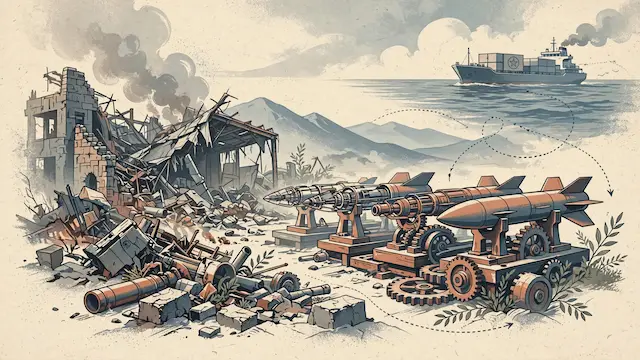
Western intelligence assessments indicate that Iran continues to produce dozens of ballistic missiles monthly, despite significant aerial attacks by Israel and the United States. While the current production rate of approximately 50 missiles per month is about half of Iran's pre-war capacity, it still provides Tehran with a substantial retaliatory capability should hostilities resume. This assessment, reported by Bloomberg, raises questions about the actual impact of the strikes on Iran's overall arsenal.
In addition to domestic production, Western intelligence sources suggest Russia is supplying Iran with offensive weaponry to aid its combat efforts. Since late February, Iran has launched over 4,900 drones and approximately 2,200 ballistic missiles. Intercepting this volume of fire has imposed a considerable economic and strategic cost on the United States.
To counter these threats, U.S. forces have utilized at least 1,000 advanced Patriot interceptors from Lockheed Martin, each costing an estimated $4 million. The annual production rate for these interceptors is only 650, diverting resources that could be allocated to other critical theaters like Europe and the Indo-Pacific region.


