
Trump, Netanyahu Clash Over Iran Military Action in Tense Call
Translated & summarized from Arab48 by baba
Israeli Prime Minister Benjamin Netanyahu and US President Donald Trump engaged in a tense phone call regarding potential military action against Iran, with sources reporting a "screaming match" that Netanyahu's office denied. Netanyahu advocates for renewed strikes and regime change in Iran, while Trump prefers diplomatic negotiations. The US administration, including Secretary of State Marco Rubio, views Iranian demands as unrealistic, despite Trump's optimism about a potential settlement.
The story in 6 lines · by baba
- Israeli PM Netanyahu and US President Trump had a tense call about attacking Iran.
- Netanyahu favors renewed military strikes, while Trump prefers diplomatic negotiations.
- Netanyahu's office denied reports of a "screaming match" during the call.
- Trump stated military action against Iran is not currently necessary.
- US Secretary of State Rubio called Iran's negotiation demands "provocative and absurd."
- Netanyahu called for a national unity government to face Iranian threats.
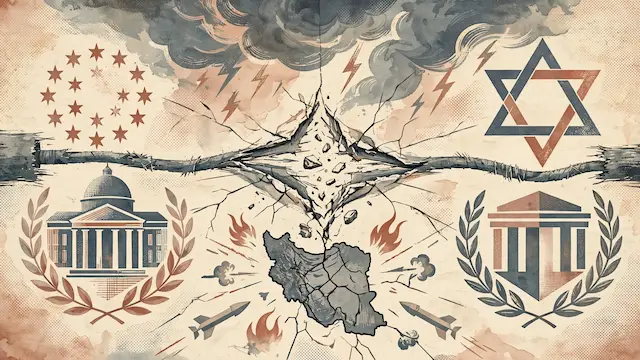
Israeli Prime Minister Benjamin Netanyahu and US President Donald Trump held a tense phone call over the weekend to discuss Iran and the possibility of resuming military strikes against Tehran. Sources familiar with the conversation described it as "exceptionally difficult and sharp," with one calling it a "screaming match from hell," though Netanyahu's office vehemently denied this, labeling such reports as "fake news and absolute nonsense." A senior Israeli official confirmed the call but stated it was "not difficult at all."
The disagreement stems from Netanyahu's push for renewed military operations against Iran, contrasting with the US administration's preference for exhausting diplomatic avenues. The core of their dispute centers on the effectiveness and timing of potential renewed attacks.
Netanyahu reiterated his stance in a speech to the Knesset, asserting that overthrowing the Iranian regime is the only way to permanently eliminate the nuclear threat. He warned of impending international pressure on Israel to accept a nuclear Iran and to withdraw from areas it occupies in Gaza, Lebanon, and Syria. He linked these challenges to the formation of the next Israeli government, calling for a national unity government to face them.
President Trump, however, stated on Monday that resuming attacks on Iran is not currently necessary, following a meeting with Qatar's Prime Minister and Foreign Minister, Mohammed bin Abdulrahman Al Thani, to discuss ongoing US-Qatar mediated negotiations with Tehran. Trump expressed optimism about reaching a settlement that ensures Israel's security.
Meanwhile, British newspaper The Financial Times reported that Arab leaders fear Netanyahu is pressuring Trump to restart hostilities, with one diplomat claiming Netanyahu calls Trump daily. However, another source familiar with Israeli developments suggested that while Netanyahu desires renewed military action, intensive efforts to convince Trump are not currently evident.
Trump had previously expressed his reluctance to attack Iran again in a CBS interview, stating he did not believe there was a reason for it, though he defended his past decision to strike Iran, citing his opposition to Tehran acquiring nuclear weapons. In contrast to Trump's optimism, US Secretary of State Marco Rubio expressed a more reserved view, noting a lack of breakthroughs in negotiations and describing Iran's demands as "provocative, absurd, and unrealistic."
Mentioned



