
Israel's Budget Deficit Widens Despite Increased Tax Revenue
Translated & summarized from Cursorinfo by baba
Israel's national budget deficit has widened to 74 billion shekels (3.3% of GDP) as of October 2026, despite a 10% increase in tax revenues year-to-date. Defense spending surged 9.9%, significantly exceeding budget plans and straining public finances. While tax collection improved, it was insufficient to cover the growing gap between government income and expenditures.
The story in 5 lines · by baba
- Israel's 12-month budget deficit reached 74 billion shekels, or 3.3% of GDP, by October 2026.
- Government spending in October exceeded revenue by nearly 40%, contributing to the deficit.
- Defense spending increased by 9.9% year-to-date, significantly surpassing the budgeted 2.7% rise.
- Overall tax revenues rose by 8% in real terms for the first ten months of 2026.
- Economic ministries reduced spending by 2.8%, contrary to budget projections.
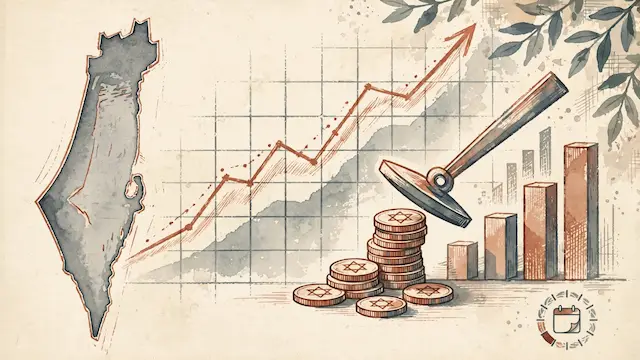
Israel's national budget deficit has continued to grow, reaching 74 billion shekels (approximately 3.3% of GDP) in the twelve months ending October 2026. This figure represents a 0.1 percentage point increase over the previous month, indicating a persistent gap between government spending and income. In October alone, the deficit was 18.3 billion shekels, a significant rise from the 15.2 billion recorded in the same month of the previous year. Government revenue in October was 46.2 billion shekels, while expenditures reached 64.5 billion, meaning spending was nearly 40% higher than revenue for the month.
Despite the growing deficit, overall government revenue from January to October showed a positive trend, increasing by approximately 10% compared to the same period in 2025. However, expenditures rose at a slower pace of 4.2% during the same period. The primary driver of pressure on public finances remains defense spending, which has increased by 9.9% since the beginning of the year, far exceeding the budgeted 2.7% increase. This surge in military expenditure is straining the budget even as overall revenues climb.
In contrast, economic ministries have seen their spending decrease by 2.8%, contrary to the budgeted 12% increase. Tax revenues have also shown growth, with a real increase of 8% in the first ten months of 2026. Direct taxes saw the most significant rise at 11%, followed by indirect taxes at 4% and state fees at 10%. These increased tax revenues, however, have not been sufficient to offset the widening budget deficit, which for January-October stood at 47.8 billion shekels, with the 12-month deficit reaching 74 billion shekels.
Mentioned
The same event, reported separately by each outlet. Open a few to compare what different newsrooms emphasize — and what they leave out.
Left 1Other 4




Not the same event — other stories that share this one’s people, places, or theme: background, reactions, and follow-ups.
