
Israel Warns of WhatsApp Phishing Scam Targeting Accounts
Translated & summarized from Cursorinfo by baba
Israel's National Cyber Directorate has warned of a new phishing scam targeting WhatsApp accounts through messages asking users to vote for a ballerina. Clicking the link leads to a site that requests WhatsApp authorization, allowing attackers to take control and spread further scams. A Bank of Israel study found 62% of Israelis faced fraud attempts in two years, with the elderly being particularly vulnerable. The Bank of Israel is launching an awareness campaign in November to combat rising online fraud.
The story in 6 lines · by baba
- Israel's National Cyber Directorate warned of a new WhatsApp phishing scam using a "talented ballerina" voting lure.
- The scam grants attackers full control of WhatsApp accounts to spread further malicious messages.
- A Bank of Israel study found 62% of Israelis encountered fraud attempts in the past two years.
- Elderly Israelis are particularly vulnerable, with 12% reporting financial losses from scams.
- Phishing SMS messages are the most common fraud tool, followed by emails and fake websites.
- The Bank of Israel is launching an awareness campaign in November to combat online fraud.
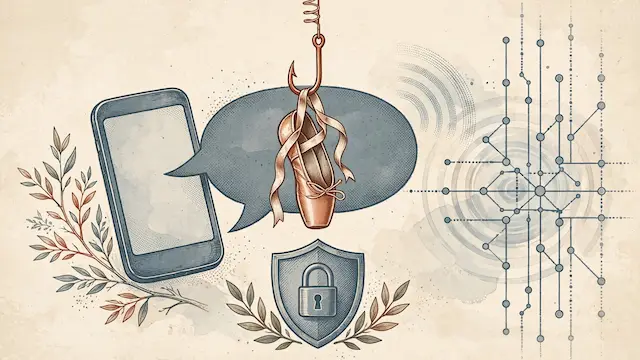
Israel's National Cyber Directorate has issued a warning about a new phishing scheme designed to compromise WhatsApp accounts. The scam involves mass messages encouraging users to vote for a "most talented ballerina." Clicking a link in these messages leads to a third-party website that prompts users to "authorize" their WhatsApp account.
The Directorate has received numerous reports from citizens who have fallen victim to this scheme. Experts emphasize that granting access to accounts on suspicious sites allows attackers to gain full control of the messenger. Subsequently, compromised profiles are used to automatically send spam and malicious links to the victim's contact list.
This incident follows a broader trend of increasing fraud attempts in Israel. A recent Bank of Israel study revealed that 62% of respondents encountered fraudulent schemes in the past two years, with about one in twenty losing money. The study, conducted by the Bank of Israel's banking supervision department, identified elderly individuals as particularly vulnerable, with 12% reporting financial losses, significantly higher than the general population.
Phishing SMS messages remain the most common tool, encountered by 77% of those who reported attempted fraud. Phishing emails were received by 35%, and fake websites or apps were encountered by 33%. WhatsApp or Telegram scams affected 21%, and phone calls impersonating bank or credit card employees reached 18%.
Immigrants from former Soviet Union countries were found to be especially susceptible to phone scams, with 53% reporting such calls compared to 18% overall. Despite these risks, many Israelis can identify scams, with 62% of those who encountered fraud but didn't lose money reporting they recognized the threat in time.
However, nearly 20% of respondents admitted to not using any special protective measures for their funds, raising concerns as artificial intelligence could aid criminals in creating more convincing scams. Даниэль Хахишвили, Head of Banking Supervision, noted that technological advancements offer new opportunities for fraudsters. In response, the Bank of Israel, in collaboration with commercial banks and credit card companies, is launching an informational campaign in November, coinciding with major online sales periods.
The Bank of Israel advises against opening personal banking portals via links in SMS or emails, recommending users access their accounts directly through official apps or by typing the website address into a browser. They also stress the importance of never sharing one-time confirmation codes, even when contacted by individuals claiming to be bank or security personnel. Regularly reviewing transaction history for unfamiliar charges and immediately contacting the bank or card issuer using official channels if compromised details are suspected are also recommended. Enabling transaction notifications can help detect suspicious activity quickly. Special attention should be paid to educating elderly relatives about recognizing fake messages, websites, and calls, and the importance of not sharing personal data or access codes.
The same event, reported separately by each outlet. Open a few to compare what different newsrooms emphasize — and what they leave out.
Centre 1Other 1


Not the same event — other stories that share this one’s people, places, or theme: background, reactions, and follow-ups.
