
Trump Links Midterm Losses to Iran War, Anti-Israel Sentiment
Translated & summarized from Arutz Sheva by baba
Former U.S. President Donald Trump attributed Republican midterm election losses to the war in Iran and negative sentiment towards Israel. He defended his military actions against Iran, claiming they prevented Israel's destruction and that without him, Israel would not exist. Trump also cited public dissatisfaction with rising fuel prices and a growing aversion to Israel as key factors. He maintained he has no regrets about the Iran strikes, viewing them as crucial to preventing nuclear proliferation.
The story in 6 lines · by baba
- Donald Trump linked Republican midterm losses to the Iran war and anti-Israel sentiment.
- He claimed Israel would not exist without his intervention against Iran's nuclear program.
- Trump cited public anger over rising fuel prices as a major factor in election losses.
- He noted a growing aversion to Israel among the American public.
- Trump defended his actions against Iran, stating he prevented their nuclear weapon acquisition.
- He expressed no regret over the strikes, calling them historically significant.
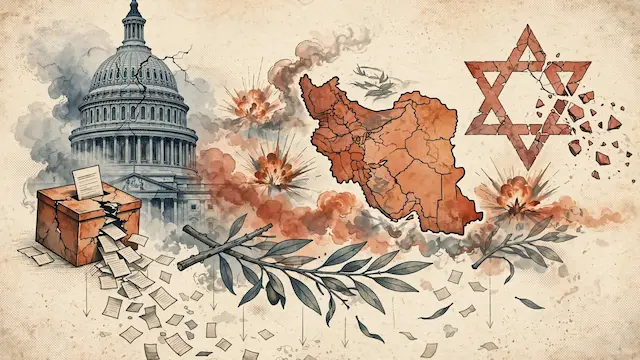
Former U.S. President Donald Trump stated that the war in Iran and negative sentiment towards Israel contributed to the Republican Party's losses in the midterm elections. In an interview on CBS's "60 Minutes," Trump also defended his decision to attack Iranian nuclear facilities, asserting that without his intervention, Israel would not exist. He claimed that the military action prevented Israel's destruction, citing the deployment of B-2 bombers over a year prior to strike three sites. Trump also indicated that nations benefiting from U.S. military protection would be expected to reimburse the costs incurred in conflicts.
Addressing criticism about potential escalations from changes in Iranian leadership following the strikes, Trump dismissed concerns, emphasizing his focus on a long-term solution to prevent Iran from obtaining nuclear weapons. He stated, "We decapitated their nuclear program. If I hadn't done that, Israel wouldn't be here today. Israel would have disappeared." He characterized his approach as making "good deals."
Trump further suggested that his absence as a direct candidate in the midterms hindered his party's candidates, despite his vigorous campaigning. He pointed to the public's dissatisfaction with the Iran war, particularly its impact on rising fuel prices, as a significant factor. He noted that while he had previously lowered gas prices, they increased again, which he believes voters blamed on the conflict, even though Iran's nuclear ambitions were a shared concern.
He also identified a growing aversion to Israel among the American public as a contributing factor to the election results. Trump agreed with Vice President J.D. Vance's assessment that the Iran war impacted Republican losses. However, he maintained that the U.S. had achieved a military victory and that Iran was weakened and seeking a deal with Washington, suggesting an agreement might have been reached before the elections.
Despite the political fallout, Trump reiterated his lack of regret over the decision to strike Iran, viewing it as essential to prevent Tehran from acquiring nuclear weapons. He expressed confidence that this decision would be historically recognized as a good one, even if not immediately popular. He also stated that the U.S. was monitoring the attacked nuclear sites and the Mount Carmel facility, indicating a readiness to act further if necessary, though he saw no immediate need for additional strikes.
Mentioned




