
US Midterm Losses Cast Doubt on JD Vance's 2028 Presidential Ambitions
Translated & summarized from i24NEWS French by baba
US Vice President JD Vance's 2028 presidential ambitions are uncertain following the Republican Party's midterm election losses. Allies reportedly question his candidacy due to his association with Donald Trump and the unpopular Iran war. Vance's camp blames the defeat on the conflict, not Trump, and he has criticized foreign policy. Despite challenges, Vance retains national recognition and support, but his strategy is complex.
The story in 5 lines · by baba
- JD Vance's 2028 presidential ambitions are in doubt after Republican midterm election losses.
- Democrats regained control of Congress, winning seven additional Senate seats.
- Some Republicans fear Vance is too linked to Donald Trump and the Iran war.
- Supporters blame the Iran conflict, not Trump, for the Republican defeat.
- Vance has criticized US foreign policy and called for reassessing ties with Israel.
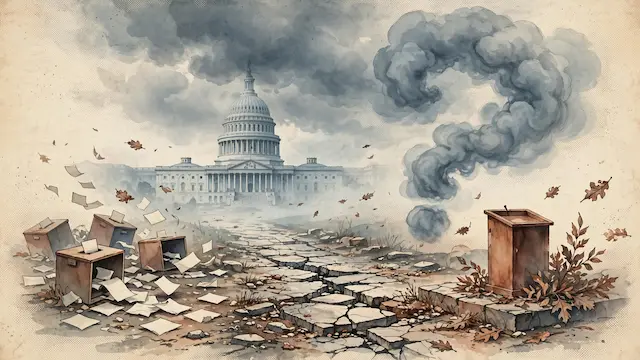
The Republican Party's significant losses in the recent US midterm elections are casting a shadow over Vice President JD Vance's potential presidential aspirations for 2028. Sources close to Vance, who has been seen as a key political heir to former President Donald Trump, are reportedly questioning the viability of a presidential run following the November 3rd election results. Democrats regained control of both chambers of Congress, securing seven additional Senate seats.
According to The Wall Street Journal, some Republican allies and donors are concerned that Vance is too closely aligned with Donald Trump and his administration's policies, particularly the war in Iran, which they believe negatively impacted the campaign due to its economic consequences. Some are now looking to other figures, such as Florida Governor Ron DeSantis, as potential candidates for 2028. One close associate reportedly advised Vance against running.
Vance and his supporters, however, attribute the Republican defeat more to the unpopularity of the Iran conflict than a general rejection of Trump. Vance himself has distanced himself from certain aspects of US foreign policy, criticizing the war and calling for a reassessment of Washington's relationship with Israel in a post-election statement that garnered attention within conservative circles.
Despite these challenges, Vance still possesses considerable advantages, including high national name recognition, influential backing within the conservative movement, and a notable position in early 2028 presidential polls. However, his political strategy faces a delicate balancing act: defending Trump's legacy while distancing himself from an unpopular war.
The Wall Street Journal reports that Vance has not made a final decision regarding a presidential bid. He intends to control his own timeline and has acknowledged that he may ultimately choose not to run for the US presidency.
Mentioned




