
Scammers Exploit ETIAS System Launch for Fraudulent Document Schemes
Translated & summarized from Cursorinfo by baba
Scammers are defrauding travelers, including Israelis, by operating fake websites that offer to process the upcoming ETIAS travel authorization for Europe. These sites solicit payments and personal data for a document that is not yet available, as the official system has not launched. Over 150 fraudulent sites are active, impersonating official EU resources and exploiting travelers' lack of information about the ETIAS launch date. Travelers are warned to only use official EU websites and avoid suspicious offers for advance processing to prevent financial loss and identity theft.
The story in 6 lines · by baba
- Scammers are operating fake websites to defraud travelers seeking the upcoming ETIAS travel authorization for Europe.
- Over 150 fraudulent third-party sites are active, impersonating official EU resources and soliciting payments.
- Travelers risk losing money and personal data, including passport and bank details, to these fraudulent schemes.
- The ETIAS system is not yet operational, and any offers for advance processing are scams.
- Travelers are advised to use only official EU websites for information and to avoid suspicious offers.
- Israelis planning trips to Europe are particularly targeted as they will require ETIAS for visa-free travel.
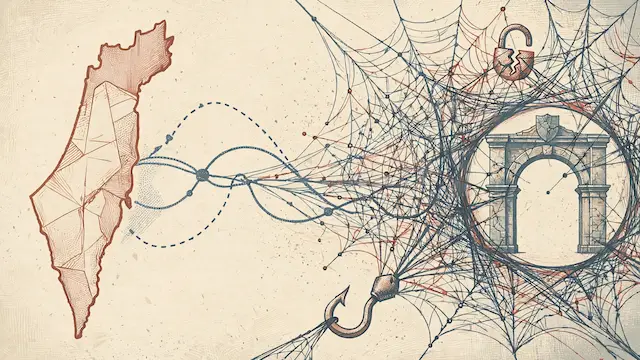
Scammers have created numerous fake websites targeting travelers, particularly Israelis planning trips to Europe, by offering to process the upcoming ETIAS electronic travel authorization. These fraudulent sites solicit payments and personal data for a document that cannot yet be obtained, as the official system has not begun accepting applications. European law enforcement and cybersecurity experts warn of over 150 such third-party sites, some impersonating official EU resources. The scammers capitalize on travelers' awareness of impending entry rule changes but lack of precise launch dates for the ETIAS system. This leads tourists to pay for a non-existent service, fearing border denial. Israelis, who typically don't need visas for Schengen Area travel, will be required to obtain ETIAS once launched. The fake websites often mimic official EU portals with similar logos and names, presenting forms for personal information. Some demand immediate payment, while others promise processing after the official launch, often adding hidden fees. Beyond financial loss, these sites may collect passport details, addresses, and bank card information for further identity theft and financial fraud. The confusion is partly due to the simultaneous introduction of the EES (Entry/Exit System) and ETIAS. EES, implemented in October 2025, digitally registers border crossings with facial scans and fingerprints, requiring no advance payment. ETIAS, intended for visa-exempt travelers to 30 European countries, is expected to cost around 20 euros and last up to three years. However, its application process is not yet open, and the launch date is undefined. Travelers are advised to rely solely on official EU websites, such as travel-europe.europa.eu, for ETIAS information. They should avoid submitting sensitive data on sites found through ads or messages, regardless of their appearance. Offers for urgent processing or guaranteed approval are highly suspicious. If funds have been transferred to a dubious intermediary, travelers should immediately contact their bank to report potential fraud and secure their accounts. The primary advice for Israelis heading to Europe is to avoid paying for ETIAS processing until the official system is operational, to prevent financial loss before their vacation.
The same event, reported separately by each outlet. Open a few to compare what different newsrooms emphasize — and what they leave out.
Right 1Other 1
