
Watchdog Group Alleges Vote Buying and Tracking in Arab and Bedouin Communities
Translated & summarized from Hamal by baba
The Israeli watchdog group Ad Kan has presented findings alleging vote buying and voter tracking in Arab and Bedouin communities during the 26th Knesset elections. The report, based on hundreds of testimonies and data analysis, claims cash and fuel cards were offered for votes, and registration and tracking systems were used. Ad Kan noted a significant surge in voter turnout in these communities, from 53.7% in 2022 to over 80% in 2026, and called for a delay in government formation pending investigation.
The story in 5 lines · by baba
- Ad Kan alleges vote buying and voter tracking in Arab and Bedouin communities during the 26th Knesset elections.
- The investigation is based on hundreds of testimonies, interviews, and data analysis, suggesting cash and fuel cards were exchanged for votes.
- Voter turnout in 128 Arab and Bedouin localities surged from 53.7% in 2022 to over 80% in 2026.
- Ad Kan suspects the use of registration booths and an app called "Al-Muwahda" for voter monitoring.
- The organization called for a delay in government formation until the investigation into the allegations is complete.
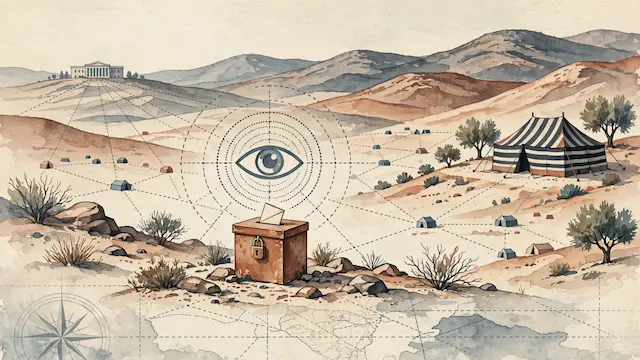
The Israeli watchdog organization Ad Kan has released preliminary findings from an investigation into the 26th Knesset elections, alleging widespread vote-buying and voter tracking mechanisms in Arab and Bedouin communities. The report, based on hundreds of testimonies, interviews, documentation, and data analysis, suggests that cash and fuel cards were distributed in exchange for votes, and that systems were used to monitor voters at polling stations.
Ad Kan's investigation reportedly involved 488 testimonies from polling committee members and observers, interviews with individuals from Arab and Bedouin society and the Islamic Movement, video evidence, social media research, and statistical analysis of election results. Testimonies from various Arab towns describe offers of cash payments, distribution of fuel cards, and alleged demands for photographic proof of ballots cast. Some witnesses reported offers of hundreds of shekels and claims of voters being photographed to verify their ballots, though no official findings have yet confirmed all allegations.
The organization also suspects the operation of registration booths outside polling stations where voter identification numbers and serial numbers were recorded. Furthermore, Ad Kan points to the alleged use of an application called "Al-Muwahda" for illicit monitoring of voting.
Ad Kan's analysis of Central Elections Committee data revealed a significant surge in voter turnout in 128 Arab and Bedouin localities, increasing from 53.7% in 2022 to 80.28% in 2026, a rise of 26.59 percentage points. This represents the largest increase in the Arab sector's electoral participation in Israeli history. A further review of 117 localities with data spanning nine election cycles showed that 104 of them experienced a voter increase of over 40% compared to the 2022 elections. While these figures indicate a substantial shift in participation patterns, Ad Kan notes they do not inherently prove bribery or fraud.
In light of recent arrests for alleged election bribery, Ad Kan's investigation raises questions for law enforcement regarding the source of funds, the procurement of fuel cards, the use of voter lists, and the handling of complaints. The organization also stated that, to their knowledge, the fuel cards found were not verified with fuel companies, and tracking their usage and purchase from known companies would not require extensive resources. Avichai Shorshan, CEO of Ad Kan, emphasized that the group is not seeking to invalidate votes based solely on statistics but to investigate what actually occurred, stating that the evidence raises serious questions that must be answered. He added that if money or benefits were given for votes, it constitutes a severe blow to election integrity and the right to free choice, urging law enforcement to investigate all evidence and publish their findings. Ad Kan called for the government's formation to be delayed until the investigation is complete.
Mentioned
The same event, reported separately by each outlet. Open a few to compare what different newsrooms emphasize — and what they leave out.
Centre 1Haredi 1

Not the same event — other stories that share this one’s people, places, or theme: background, reactions, and follow-ups.


