
US Urges Iranians to Seek Shelter Amid Escalating Tensions
Translated & summarized from Cursorinfo by baba
The U.S. military advised Iranian civilians to stay indoors and away from IRGC sites during potential escalations, citing concerns for their safety. The U.S. claims the IRGC uses civilian areas for military purposes and human shields. This comes after President Trump discussed Iran policy with advisors and following U.S. warnings to diplomatic missions in the Middle East.
The story in 5 lines · by baba
- U.S. military urged Iranian civilians to stay indoors and avoid IRGC sites during potential attacks.
- The U.S. expressed concern for the safety of the Iranian population amid rising tensions.
- U.S. officials claim the IRGC places military facilities in residential areas and uses civilians as shields.
- President Trump recently met with advisors to discuss potential U.S. actions regarding Iran.
- The U.S. administration issued additional warnings to diplomatic missions in the Middle East.
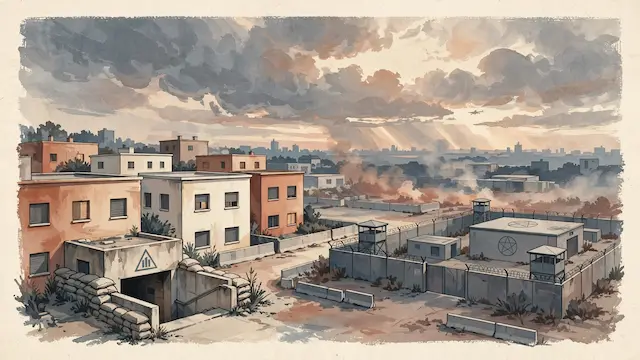
The United States has advised Iranian civilians on how to act in the event of renewed large-scale attacks on the country. A U.S. military representative urged Iranian residents to stay indoors and avoid Islamic Revolutionary Guard Corps (IRGC) facilities if tensions escalate further, emphasizing American concern for the safety of the Iranian population. According to Iran International, the U.S. official stated that the IRGC places military installations, including weapons and command centers, within residential areas. The official criticized the Iranian regime for not prioritizing its people, alleging that leaders and the IRGC use civilians as human shields while they themselves hide in fortified structures and underground bunkers. Civilians were advised to take proactive measures for their own safety, recommending they remain in their homes, which were described as the safest places during heightened military activity, and stay clear of IRGC sites. This advisory follows a meeting where U.S. President Donald Trump and national security advisors discussed potential Washington actions regarding Iran. Additionally, the U.S. administration issued further warnings to diplomatic missions across the Middle East, including the U.S. Embassy in Jerusalem.