
US Bolsters Middle East Presence Amid Iran Nuclear Talks and Russian Arms Deal
Translated & summarized from Ynet by baba
The US is increasing its military presence in the Middle East amid potential breakthroughs in nuclear talks with Iran. Simultaneously, Iran is reportedly negotiating with Russia for advanced S-400 air defense systems. US military assets, including an aircraft carrier and transport flights carrying air defense components to Israel, are being deployed. This buildup suggests the US is maintaining multiple options, including diplomatic pressure and potential military action, regarding Iran.
The story in 5 lines · by baba
- US is reinforcing Middle East military presence amid Iran nuclear talks and potential Russian arms deal.
- Iran shows willingness to discuss its nuclear program in US-mediated talks, a significant shift.
- Iran is negotiating with Russia for advanced S-400 air defense systems, potentially contradicting US claims.
- US is deploying an aircraft carrier and airlifting air defense equipment to Israel.
- US strategy includes diplomatic pressure, bolstering allied defenses, and possible renewed military action against Iran.
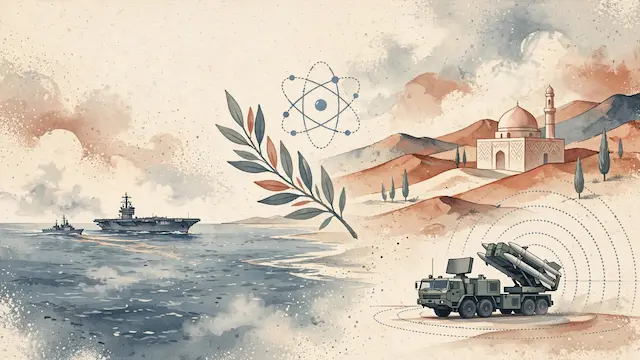
The United States is reportedly reinforcing its military presence in the Middle East, a move that could signal preparations for potential future action against Iran, even as diplomatic efforts to resolve the nuclear issue continue. Reports suggest a possible breakthrough in talks between Iran and the US, mediated by Qatar, with Tehran showing a willingness to discuss its nuclear program, a significant shift from previous stances. This development comes as some US political figures, including J.D. Vance and Donald Trump Jr., have blamed the "war in Iran" for Republican losses in the midterm elections.
Meanwhile, Iran is reportedly in negotiations with Russia for the purchase of advanced S-400 air defense systems. This potential deal, discussed during a meeting between Russian President Vladimir Putin and Iranian official Mohsen Rezai, who carried a letter from Mojtaba Khamenei, could contradict US claims that Russia is not assisting Iran. The US and Israel have previously targeted Iran's air defense capabilities, and Moscow's potential sale of the S-400, which it has offered for years but hesitated to deliver due to concerns about relations with Israel and regional stability, is a notable development.
Analysis of military movements indicates the US is increasing its capabilities in the region. The aircraft carrier USS Theodore Roosevelt is expected to enter the US Central Command's area of responsibility by mid-November, potentially expanding operational options. Concurrently, a significant airlift of equipment, including components for Patriot missile systems, is underway from Fort Bliss, Texas, to Ovda Airbase in Israel, with some flights routing through Ramstein Air Base in Germany. The US also maintains a substantial aerial refueling presence, with over 200 tankers operating in Europe and CENTCOM's area, and daily sorties from the UAE.
Further intelligence gathering is suggested by the arrival of a specialized US RC-135U Combat Sent reconnaissance aircraft in Britain. While its immediate deployment to the Middle East is unconfirmed, its presence enhances intelligence capabilities in the region. The overall picture suggests a deliberate US strategy to bolster regional defenses, including those of Israel and Gulf states, while maintaining a range of options from continued military and diplomatic pressure on Iran to potential renewed military action if negotiations fail. The ultimate decision rests with President Trump.
Mentioned

