
Election Day Paid Leave Eligibility Depends on Worker Status
Translated & summarized from Walla by baba
Election Day, October 27, is a public holiday in Israel, but paid leave eligibility varies. Employees with at least 14 days of tenure are generally entitled to paid time off. Those who work may receive double pay or regular pay plus a compensatory day off, depending on agreements. Foreign workers in certain sectors are excluded from holiday benefits.
The story in 5 lines · by baba
- Election Day, October 27, is a public holiday in Israel, but paid leave eligibility varies.
- Employees with at least 14 days of tenure are generally entitled to paid time off.
- Those who work on Election Day may receive double pay or regular pay plus a compensatory day off.
- Part-time workers are only entitled to pay if the holiday falls on a scheduled workday.
- Foreign workers in specific sectors are excluded from Election Day holiday benefits.
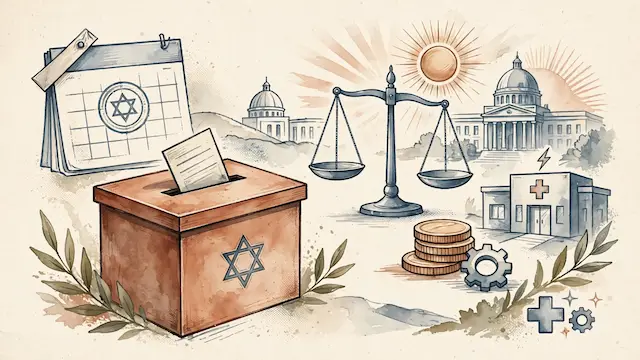
Election Day, October 27, is designated as a public holiday in Israel, meaning most employees are not required to work and their pay should continue as normal. However, eligibility for paid time off and potential double pay for those who do work is not universal and depends on factors such as employee seniority, regular workdays, and job type.
Generally, an employee who has worked for the same employer for at least 14 days prior to Election Day is entitled to their regular salary even if they do not report to work due to the holiday. This applies to hourly and daily workers as well, who should not have a vacation day deducted for their absence. There is ongoing legal debate regarding whether the 14-day requirement refers to consecutive workdays or simply tenure.
Employees who work part-time are only entitled to pay for Election Day if it falls on one of their scheduled workdays. If the holiday falls on a day they are not normally scheduled to work, they are not automatically entitled to pay.
Certain essential services, including transportation, hospitals, security, and public services, will operate on Election Day. Employees in these sectors, or any employee who agrees to work at their employer's request, may be entitled to double pay or regular pay plus a compensatory day off. This practice is a norm and not explicitly mandated by law for all workers, so individual, collective, or workplace agreements should be consulted. Employers must allow employees who are eligible to vote to do so during their workday.
Foreign workers in specific sectors such as domestic care, hospitality, construction, agriculture, and industry are not entitled to the Election Day holiday. If they work, they receive only their regular salary without any additional compensation or compensatory day off related to the holiday. Israeli workers in these same sectors, if eligible for the holiday, may still qualify for increased pay if they work.
In summary, while most workers will have a paid day off, the specifics of "paid holiday" or "double pay" vary. Employees planning to work on Election Day should verify their specific compensation arrangements beforehand, and those planning to take the day off should confirm their eligibility for the paid holiday.
The same event, reported separately by each outlet. Open a few to compare what different newsrooms emphasize — and what they leave out.
Centre 1Other 1
