
Israel Considers Extending Emergency Measures Past Election Amid Attack Fears
Translated & summarized from Israel Hayom by baba
Israeli security officials believe there is a high likelihood of an attack on civilians, prompting consideration of extending emergency measures until at least November 3, 2026. Prime Minister Netanyahu indicated potential threats ahead of the October 27 elections. The "special emergency situation in the home front" grants the IDF significant civilian authority. Delaying elections requires a supermajority in the Knesset and specific legal conditions, with a historical precedent set during the 1973 Yom Kippur War.
The story in 6 lines · by baba
- Israeli security officials assess a high probability of an attack on the civilian population.
- The government is considering extending special emergency measures in the home front until at least November 3, 2026.
- Prime Minister Netanyahu warned of potential attacks ahead of the October 27 Knesset elections.
- The "special emergency situation in the home front" grants the IDF broad powers over civilians.
- Delaying elections requires a law passed by at least 80 Knesset members due to special circumstances.
- Israeli elections were previously postponed in 1973 due to the Yom Kippur War.
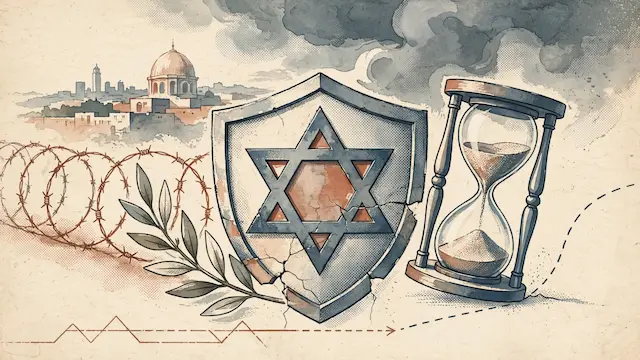
Israeli security officials assess a high probability of an attack on the civilian population, citing uncertainty regarding situations in Iran and Lebanon. This assessment comes as the government is set to vote on extending special emergency measures in the home front until at least November 3, 2026. Prime Minister Netanyahu stated, "There are signs that they will try to attack us ahead of the elections." The proposed extension would cover the period up to and beyond the Knesset elections scheduled for October 27, 2026. The "special emergency situation in the home front" grants the IDF special authorities, such as ordering civilians into shelters, restricting educational activities, and dictating civil defense measures. These powers can be declared by the government or the defense minister and require Knesset Foreign Affairs and Defense Committee approval. Legal experts note that while advancing elections is permissible, delaying them beyond the statutory period could significantly harm democratic principles. A Basic Law amendment from 1996 stipulates that any election delay must be enacted by law, require at least 80 Knesset members' votes, be justified by special circumstances preventing elections, specify a new date, and be for the minimum necessary duration. Historically, Israeli elections were postponed once due to the Yom Kippur War in 1973, with the Knesset passing a law to move them from October 30 to December 31, 1973, with 67 votes in favor.




