
Student Killed, 24 Injured in Cluster Munition Explosion During School Trip
Translated & summarized from Arutz Sheva by baba
A 14-year-old student was killed and 24 others injured when a cluster munition exploded during a school trip in northern Israel. Students reported finding and carrying the munition for over an hour, claiming they received no safety briefing. Conflicting reports exist regarding whether the area was officially closed due to war damage and if proper safety warnings were issued and heeded. Investigations are ongoing to determine the exact cause and responsibility, while the Prime Minister has ordered enhanced public safety measures.
The story in 6 lines · by baba
- A 14-year-old student died and 24 were injured by a cluster munition explosion during a school trip.
- Students reportedly found and carried the munition for over an hour before it detonated.
- Students claim they received no safety briefing on handling unexploded ordnance.
- KKL-JNF stated the area was closed due to war damage, but the trip was approved.
- Investigations are underway to determine the cause and responsibility for the incident.
- The Prime Minister ordered enhanced public warnings and sweeps for dangerous munitions.
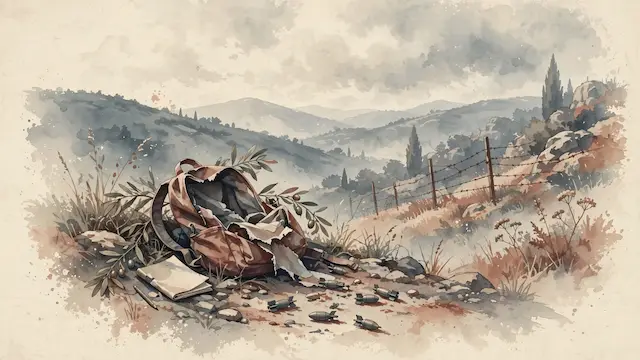
A tragic accident during a school trip in the Upper Galilee has resulted in the death of 14-year-old Elazar Yair Wilensky and the injury of 24 others. Students from the ORT Ma'alot high school reported finding several unexploded ordnance items, including two missiles, during their hike on Mount Ramim. Disturbingly, they admitted to carrying a cluster munition for over an hour without realizing its danger until it detonated during a lunch break. Students claim they received no safety briefing on how to handle such discoveries before the trip.
Conflicting accounts have emerged regarding safety protocols and route approval. The Ministry of Education stated that explicit safety instructions, including a strict prohibition on touching unexploded ordnance, were provided during the trip's approval process. However, students maintain they were not briefed and did not see warning signs. KKL-JNF (Jewish National Fund) claims it had previously notified relevant authorities that the area was closed due to war damage, with one report indicating a warning on the "Teva" trip coordination site about the route being forbidden due to rehabilitation efforts.
Despite these warnings, the trip was approved. KKL-JNF Chairman Eyal Ostrovinsky confirmed that rehabilitation work in the area was ongoing and not yet complete, with some sections remaining unprepared for visitors. He asserted that KKL-JNF had informed all relevant parties, including the Ministry of Education's situation room, that the site was not reopened. The Ministry of Education, however, maintains that the approved route did not include the restricted area and that they acted according to KKL-JNF's limitations.
Prime Minister Benjamin Netanyahu visited the injured students in the hospital. One injured student, Eitan Massauri, recounted to the Prime Minister that a fellow student had been playing with the munition and unscrewed it before it exploded. The IDF estimates the munition was a Hezbollah cluster bomb. Investigations by the IDF, police, and relevant ministries are underway to determine the exact circumstances, including how the students reached the area, the safety instructions provided, and the responsibility for ensuring the route's safety.
In the aftermath, the Prime Minister has ordered updated public warnings, emphasizing the absolute prohibition against touching unexploded ordnance and initiating sweeps of large areas for dangerous munitions. The incident also highlights the complex issue of responsibility for clearing unexploded ordnance in civilian areas, with the Ministry of Defense and the police differing on who is accountable for ordnance resulting from enemy fire.
Mentioned
The same event, reported separately by each outlet. Open a few to compare what different newsrooms emphasize — and what they leave out.
Centre 3Right 2Haredi 1Other 2







Not the same event — other stories that share this one’s people, places, or theme: background, reactions, and follow-ups.


