
Kfar Saba Mayor Accused of Corruption; Oversight Mechanisms Questioned
Translated & summarized from Maariv by baba
Kfar Saba Mayor Rafi Saar is under investigation for allegedly accepting bribes to favor businessmen in significant tenders for projects like school renovations and cleaning services. The probe also includes suspicions of criminal involvement and violence. The case raises questions about the effectiveness of municipal oversight mechanisms in preventing corruption and ensuring fair bidding processes. Mayor Saar has pledged cooperation with investigators, urging against premature conclusions.
The story in 6 lines · by baba
- Kfar Saba Mayor Rafi Saar is being investigated for alleged corruption and bribery.
- The mayor and an economic company CEO are suspected of favoring businessmen for tenders.
- The investigation includes suspicions of criminal involvement and violent offenses.
- Authorities seized funds and property during searches related to the case.
- The article questions the effectiveness of municipal oversight in preventing corruption.
- Mayor Saar stated he will cooperate with investigators and asked for patience.
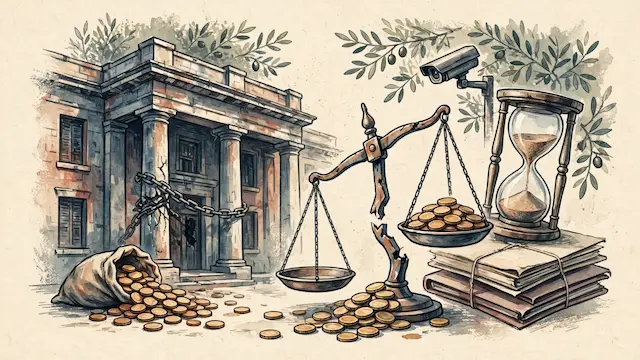
An investigation into alleged corruption in the Kfar Saba municipality has brought to light concerns about the intersection of public power, money, and business dealings. Mayor Rafi Saar and the CEO of the Economic Company are suspected of favoring businessmen in exchange for bribes, reportedly paid in cash, to help them win significant tenders. The tenders involved projects such as renovating educational institutions, cleaning services, and setting up food stalls.
Authorities are also examining suspicions of involvement by criminal elements and allegations of violent offenses. During the transition to an open investigation, searches were conducted, and funds and property were seized. Mayor Saar stated he would cooperate with investigators and requested that conclusions not be drawn before the facts are clarified.
The article emphasizes that suspicions regarding tenders in local authorities require careful examination, as these decisions involve substantial sums and impact public trust. Public corruption can manifest in various ways beyond direct bribery, including providing advance information, manipulating tender conditions, or favoring individuals with connections.
It is crucial to determine how decisions were made, who was involved, and whether all bidders received a fair opportunity. However, the article cautions that business connections or unusual decisions do not automatically prove criminal activity; the determination must be based on evidence and individual intent.
The piece also touches upon the need for robust oversight mechanisms within municipalities to prevent the abuse of public power and maintain resident trust. It suggests that accessible tender publications, documentation of meetings with stakeholders, effective conflict-of-interest rules, independent audits of municipal companies, and protected channels for reporting irregularities are essential. The article concludes by stressing that an arrest is not a conviction and suspicion is not a substitute for evidence, underscoring the right to a fair investigation for all suspects.
The same event, reported separately by each outlet. Open a few to compare what different newsrooms emphasize — and what they leave out.
Centre 5Right 3Haredi 2Arab 2Other 8




















Not the same event — other stories that share this one’s people, places, or theme: background, reactions, and follow-ups.
