
Palestinian Detainees Report Torture and Abuse in Israeli Prisons
Translated & summarized from Haaretz by baba
Palestinian detainees in Israeli prisons are reportedly subjected to widespread torture, starvation, and abuse, according to accounts from former inmates published by Haaretz. These alleged conditions include severe beatings, lack of medical care, and rampant disease, with detainees losing significant weight and suffering from various ailments. Despite court rulings ordering improvements, such as adequate food and Red Cross access, these have reportedly been ignored. The Israeli Prison Service denies the claims, calling them unfounded and part of a smear campaign, while asserting that prisoners are held according to law and receive necessary care.
The story in 6 lines · by baba
- Palestinian detainees report widespread torture, starvation, and abuse in Israeli prisons.
- Former inmates describe severe beatings, lack of medical care, and rampant disease.
- Alleged abuses include collective punishment, humiliation, and harsh detention conditions.
- Court orders for better food and Red Cross access have reportedly been ignored.
- The Israeli Prison Service denies the allegations, calling them unfounded.
- Administrative detention is used for security threats when no other alternatives exist, according to the IDF.
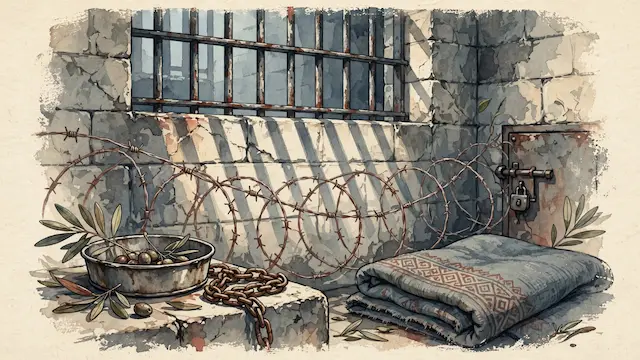
Thousands of Palestinian detainees are allegedly held in Israeli prisons under conditions described as "torture camps," with widespread reports of starvation, severe violence, and harsh detention environments. These alleged abuses, which have been ongoing for three years, are reportedly part of a declared policy, with former National Security Minister Itamar Ben-Gvir making it a cornerstone of his election campaign. Details of these practices have emerged through international media investigations, human rights organizations, and petitions to the Israeli Supreme Court. Despite these revelations, the Israeli public and judiciary have shown little concern. While the Supreme Court issued rulings in September 2025 and June of the current year ordering adequate food and allowing Red Cross visits, these have reportedly had minimal impact. Starvation policies continue, and Red Cross delegates have not been granted access. The court has received requests to enforce its rulings, and a petition regarding scabies treatment was rejected. Violence and abuse persist without deterrence.
As of September, Israel held 9,329 security prisoners, with only 16% having been indicted and convicted. The rest are awaiting trial, under administrative detention, or classified as "unlawful combatants," a designation not recognized by international law. Since the war began, hundreds of prisoners have been released monthly, independent of any exchange deals. In 2024 alone, approximately 5,000 prisoners were released, many without trial or conviction, raising questions about claims of them being dangerous terrorists.
Five former detainees, who spoke to Haaretz on condition of anonymity for fear of reprisal, described severe weight loss (15-50%), beatings leading to bone fractures, the rampant spread of scabies, collective punishment, daily humiliation, and constant terror. The "Keter" unit of the Prison Service was repeatedly named as responsible for the most severe abuses. The released detainees, held in various prisons including Megiddo, Nafha, Ketziot, Ofer, and Damon, were all from the West Bank. Conditions for detainees from Gaza are reported to be even worse.
Journalist Ali Samoudi, released after a year of administrative detention, recounted losing 60 kilograms and developing ten illnesses, including diabetes and high blood pressure, after entering prison at 120 kilograms. He described severe beatings, daily raids, and deteriorating conditions in Megiddo prison, where prisoners were overcrowded and given minimal clothing. He also detailed brutal collective punishments, including forced nudity and beatings with thick pipes, and described how rubber bullets were fired at naked prisoners in bathrooms without provocation. Food rations were described as extremely meager, insufficient for a child, leading to severe weight loss, especially during Passover. Medical care was virtually nonexistent, with requests for doctors often met with insults or delays, leading to the death of one detainee, Lui Turkman, due to lack of timely medical attention.
Hiba Alawi, a mother of five, spent five and a half months in Damon prison, losing 36 kilograms. She described violent raids, including tear gas being thrown into the yard, prisoners being forced to lie face down, and being beaten and bound with plastic ties. She reported being hit until her teeth broke and suffering severe internal injuries from beatings. Food was scarce and often spoiled, and hygiene was poor, leading to the spread of scabies. She also recounted instances of sexual harassment by female guards and the psychological trauma experienced by detainees.
Samer Khweira, a journalist held for nine months under administrative detention, witnessed severely emaciated prisoners suffering from scabies and described the "living dead." He was himself infected with scabies and faced significant delays in receiving treatment. He questioned the basis of his administrative detention, which he believes was due to his journalistic work and social media posts. Upon his release, his own nine-year-old son did not recognize him.
Rabea Abu Naeem, an activist, was beaten by soldiers and detained for nine months, experiencing severe food shortages and daily beatings, including electroshocks. He described the psychological impact of constant fear and the humiliation of forced subservience during morning counts. He also noted that while conditions improved slightly in Ofer prison, food remained scarce and often spoiled.
Another former detainee, identified as R, who spent six months in prison, described being held in overcrowded cells with insufficient blankets and clothing, and facing severe hygiene issues. He reported nightly raids by the "Keter" unit, involving rubber bullets, tear gas, and dogs, and described harsh treatment during transfers and visits. He also noted the prohibition of collective prayer and the severe punishment for those caught praying together.
The Israeli Prison Service denied the allegations, calling them "unfounded" and part of a "smear campaign." They stated that prisoners are held according to law and receive necessary care, subject to judicial oversight. The IDF spokesperson stated that detention facilities meet legal standards and are subject to internal and external oversight, and that administrative detention is used only when there is a credible security threat and no other alternatives exist.
Mentioned



