
Cluster Bomb Suspected in Deadly Ramim Ridge Incident
Translated & summarized from Maariv by baba
The IDF is investigating a fatal incident at Ramim Ridge involving a student's death, suspecting an unexploded cluster bomb from the recent war. The military believes the munition was originally fired at IDF forces and may have been hidden by terrain and vegetation, detonating when a youth touched it. Cluster bombs have been used by various actors, including Hezbollah and Iran, and their use against infantry is banned by the Geneva Convention.
The story in 5 lines · by baba
- An IDF investigation suspects a cluster bomb caused a fatal incident at Ramim Ridge.
- A student was killed when the unexploded munition detonated upon contact.
- The IDF believes the bomb was originally fired at their forces and remained armed.
- Terrain and vegetation may have concealed the unexploded ordnance.
- Cluster bombs are controversial and their use against infantry is banned by the Geneva Convention.
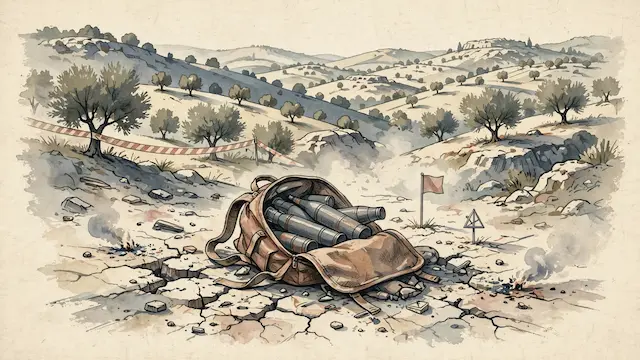
The Israel Defense Forces (IDF) are investigating a deadly incident at Ramim Ridge, where a student was killed, suspecting a cluster bomb fired during the recent conflict was the cause. The military believes the munition was originally aimed at IDF forces operating in the area. Investigators are considering the possibility that difficult terrain, dense vegetation, and mud concealed the unexploded ordnance, which remained armed since the war. The bomb, containing dozens of grams of standard explosives, detonated when a youth apparently came into contact with it, causing the fatal blast.
Cluster munitions, which disperse multiple smaller bomblets over a wide area, have a history of use by the IDF, particularly during the War of Attrition to target Egyptian missile arrays. During the Second Lebanon War, the IDF employed MLRS rockets, a type of cluster munition. International criticism led to a reduction in their use. The Geneva Convention prohibits the use of cluster bombs against infantry forces.
Hezbollah used cluster bombs during the recent war, firing them at IDF assembly areas and maneuvering forces in Lebanon, resulting in casualties. Iran also employed cluster munitions, using missiles with a submunition warhead that released dozens of bomblets over central Israel and the Haifa region. The unexploded bomb at Ramim Ridge is thought to be one of the smaller bomblets from a cluster munition that failed to detonate upon impact. Its concealment due to the terrain and vegetation likely prevented bomb disposal experts from discovering and neutralizing it during their sweep of the area.
The same event, reported separately by each outlet. Open a few to compare what different newsrooms emphasize — and what they leave out.
Centre 2Right 5Haredi 1Other 1








Not the same event — other stories that share this one’s people, places, or theme: background, reactions, and follow-ups.


