
Netanyahu Accused of Aiding Hostage Deaths in Heated Debate
Translated & summarized from Ice by baba
Journalist Rivka Drucker accused Prime Minister Benjamin Netanyahu of helping cause the deaths of six Israeli hostages, stating a deal could have saved them. The accusation came during a heated podcast debate with pro-government media personality Sharon Gal, who rejected the claims. The exchange reflected deep political divisions in Israel over the hostages and Netanyahu's leadership during the ongoing conflict. The interview highlighted the hostage situation as a raw and divisive political issue.
The story in 6 lines · by baba
- Journalist Rivka Drucker accused Prime Minister Benjamin Netanyahu of aiding the deaths of six Israeli hostages.
- Drucker claimed Netanyahu could have saved the hostages by agreeing to a deal earlier.
- Drucker referenced a January 2025 deal involving concessions similar to those requested in July 2024.
- Sharon Gal, a government supporter, called Drucker's claims factually incorrect.
- The debate highlighted deep political polarization within Israeli society.
- The hostage situation remains a contentious political issue in Israel.
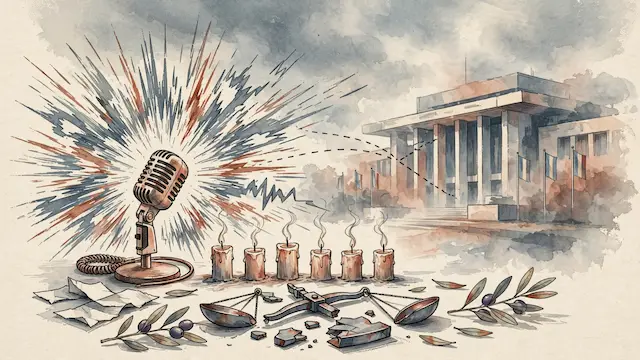
Israeli journalist Rivka Drucker, a vocal critic of Prime Minister Benjamin Netanyahu's government, accused the premier of aiding in the deaths of six Israeli hostages held by Hamas. Speaking on Sharon Gal's podcast "In Sharon's Living Room," Drucker argued that Netanyahu could have saved the hostages, including Hirsh Goldberg-Polin and Carmel Gat, if he had agreed to a deal earlier. Drucker specifically referenced a deal approved in January 2025, which he claimed involved concessions similar to those Netanyahu was asked to make in July 2024, such as a withdrawal from parts of the Philadelphi Axis.
Gal, a supporter of the government, strongly disagreed with Drucker's assertions, calling them factually incorrect and accusing Drucker of emotional manipulation. Drucker retorted by emphasizing the potential grief of the hostages' families and reiterated his accusation that Netanyahu's "abandonment, cynicism, and disgust" as prime minister "really helped in the killing of the hostages."
Gal defended Netanyahu, stating he has "changed the face of the Middle East" and suggesting that protests against the government and military insubordination were responsible for security developments. He asserted that Netanyahu's resolute actions would secure him another term if re-elected.
The intense exchange highlighted the deep political polarization in Israeli society. Drucker represented a critical public and media stance, viewing Netanyahu's decisions, particularly regarding the Philadelphi Axis and negotiation stances, as a moral and leadership failure that cost hostages their lives. Conversely, Gal embodied a right-wing perspective, portraying Netanyahu as a historic leader standing firm against media bias, protests, and external pressures that weaken the country and aid the enemy.
The interview, which quickly went viral, underscored the ongoing trauma surrounding the hostages and the contentious political debate between prioritizing hostage deals and maintaining strategic assets.
Mentioned



