
Ex-Prison Service Construction Officer Convicted of Bribery, Theft, and Money Laundering
Translated & summarized from Now 14 by baba
Arkady Shkovitzky, a former construction officer for the Israel Prison Service, was convicted of bribery, theft, and money laundering totaling about 350,000 shekels. The court found he exploited his position to dictate subcontractors and inflate bids, and also used prison service funds for personal home renovations. He and his wife were also convicted of tax offenses. Seven other individuals were convicted in the same case.
The story in 6 lines · by baba
- Former Israel Prison Service construction officer Arkady Shkovitzky was convicted of bribery, theft, and money laundering.
- The corruption offenses involved approximately 350,000 shekels.
- Shkovitzky dictated subcontractors and inflated bids for projects.
- He used prison service funds for private renovations at his home.
- His wife, Natalia Shkovitzky, was also convicted of tax offenses.
- Seven other individuals were convicted in the same corruption case.
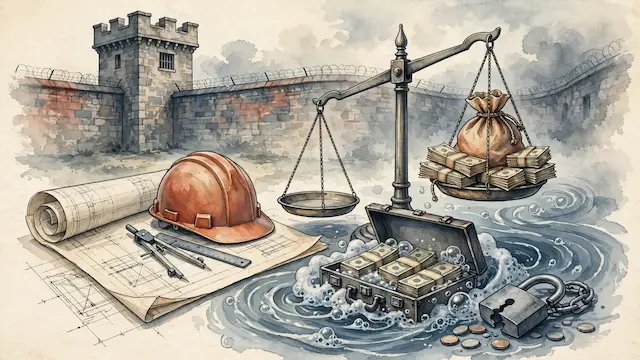
Arkady Shkovitzky, a former construction officer for the Israel Prison Service (IPS) in the central district, has been convicted of serious corruption offenses, including accepting bribes, theft by a public servant, and money laundering, totaling approximately 350,000 shekels. The Central District Court in Lod ruled that Shkovitzky exploited his position and authority to implement a corrupt system. According to the indictment, he dictated to main contractors working with the IPS the identity of subcontractors, influenced the pricing of projects, and often instructed them to inflate bids to generate illegal profits.
Furthermore, Shkovitzky was found to have carried out private construction work at his own home, with some of these expenses directly funded by the IPS budget. He and his wife, Natalia Shkovitzky, were also convicted of serious tax offenses for failing to report income from bribes, theft, and rental properties to the Tax Authority.
The court's detailed ruling, spanning over 300 pages, followed an extensive evidentiary hearing and rejected Shkovitzky's claims of a setup and harassment by IPS officials. Seven other defendants were also convicted in connection with the case for their roles in bribery and money laundering.




