
IDF to Thin Forces in Gaza Border Communities Post-Election
Translated & summarized from Ice by baba
The IDF will reduce its forces in Gaza border communities after the elections, releasing dozens of reservists and relying more on local security teams in settlements beyond 4 kilometers from the border. Residents fear this will compromise security and place an undue burden on them. The IDF is also preparing for potential conflict with Iran, aiming for a joint campaign with the US if attacked, with operational planning likely to commence after the elections.
The story in 5 lines · by baba
- IDF will reduce forces in Gaza border communities post-election, impacting reservists.
- Communities over 4km from Gaza will rely on local security, not permanent troops.
- Residents fear reduced military presence will compromise security and increase their burden.
- IDF is preparing for potential conflict with Iran, seeking US cooperation.
- Operational planning against Iran may be delayed until after the elections.
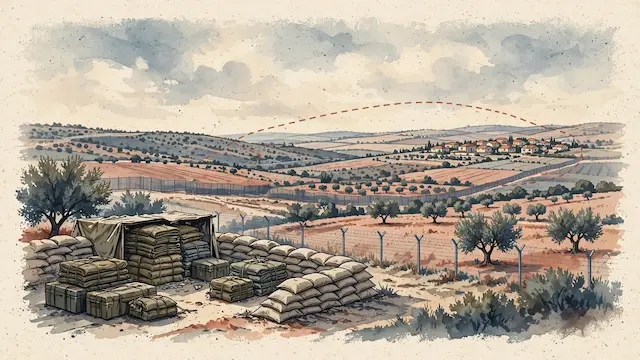
The Israel Defense Forces (IDF) plans to reduce its troop presence in Gaza border communities immediately following the upcoming elections, according to a report by Kan News. This decision will lead to the release of dozens of reservists, some of whom are currently stationed in communities located within 4 kilometers of the Gaza Strip. Starting Thursday, October 29, two days after the elections, reserve soldiers will only be deployed in settlements within this 4-kilometer range. Communities further from the border will rely on local security officers (Rabbashatzim) and emergency response teams for defense, without a permanent military presence.
The plan, approved by the Operations Directorate, aims to reconfigure troop deployment. Security officials in the Gaza border region expressed concern that the reduced military presence could compromise security, particularly as the IDF seeks to limit the use of attached soldiers and restrict reserve duty days. Residents of the affected communities have not been formally notified of the changes and are demanding transparency and answers from the Southern Command. They argue that shifting the primary defense responsibility to local residents, who are already dealing with the trauma of the October 7th attacks and trying to rebuild their lives, places an unsustainable physical and psychological burden on them.
The reliance on armed local residents for frontline defense, operating on their own time without regular military support, raises fears of rapid burnout and increased risk of operational failure in the face of a complex threat. The IDF stated that Rabbashatzim are authorized to recruit fighters for settlement defense from both the defense department and attached soldiers, within allocated quotas for each community.
Separately, the IDF is preparing for the possibility of conflict with Iran, according to Avi Ashkenazi of Maariv. A military source described the situation with Iran as a long corridor with peace at one end and war at the other, noting that Iran is currently not adhering to agreements. Israel understands the need for readiness to fight Iran, and if attacked, the IDF intends to launch a campaign with American support. The IDF and defense establishment believe that any engagement with the US regarding such a campaign would likely be postponed for a month to a month and a half after the elections, pending favorable weather conditions over Tehran and western Iran.
The same event, reported separately by each outlet. Open a few to compare what different newsrooms emphasize — and what they leave out.
Centre 1Right 2Other 1




Not the same event — other stories that share this one’s people, places, or theme: background, reactions, and follow-ups.

