
Eisenkot's Bloc Leaders Fear Arab Party Reliance Will Derail Security Laws
Translated & summarized from i24NEWS by baba
Senior members of the "Change bloc" fear a government led by Gadi Eisenkot, reliant on Arab parties, will be unable to pass security laws. This could lead to political paralysis, Knesset dissolution, and new elections. A key challenge will be renewing Judea and Samaria regulations within a year, which may also cause the government to fall. The bloc's leaders are concerned about the long-term viability of such a coalition.
The story in 5 lines · by baba
- Senior "Change bloc" members fear a Gadi Eisenkot government relying on Arab parties will fail to pass security laws.
- Such a government could face political paralysis and lead to new elections, according to bloc insiders.
- The renewal of Judea and Samaria regulations in about a year poses a significant challenge.
- Difficulty passing security legislation is seen as a major obstacle for a coalition dependent on Arab parties.
- Concerns exist about the long-term functionality of a government with Arab party support.
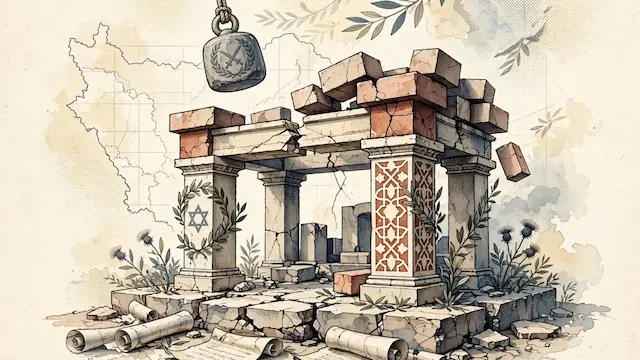
Senior figures within the "Change bloc" are expressing concerns that a government led by Gadi Eisenkot, which relies on the support of Arab parties, would struggle to pass crucial security legislation. These fears, discussed in closed-door meetings and reported by i24NEWS Hebrew, suggest such a government could face paralysis and ultimately lead to new elections.
Eisenkot is reportedly preparing to form a government with the backing of Arab parties, a move that has also drawn comment from the Joint List chairman regarding potential cooperation. However, prominent members of the Change bloc doubt the long-term viability of such an administration. They anticipate significant difficulties in passing laws related to security and the ongoing war, believing that without a stable majority independent of Arab parties, these measures would fail.
This potential legislative deadlock, they argue, could result in political stagnation, the dissolution of the Knesset, and a return to the polls. Another significant hurdle identified is the upcoming renewal of regulations concerning Judea and Samaria (יו"ש). The outgoing government approved these regulations for a limited five-year term, meaning they will require re-approval within a year.
This renewal process is expected to be a critical test for any government dependent on Arab party support, potentially leading to its collapse. The challenge of securing a renewed majority for these regulations, alongside the difficulties in passing security laws, presents a substantial obstacle to establishing and maintaining a government reliant on Arab political factions.
The same event, reported separately by each outlet. Open a few to compare what different newsrooms emphasize — and what they leave out.
Centre 1Right 1

Not the same event — other stories that share this one’s people, places, or theme: background, reactions, and follow-ups.
