
Iran's Regime May Be Losing Control Amid Internal Pressures
Translated & summarized from Now 14 by baba
Former IDF official Amit Yagur believes Iran's regime is under severe internal pressure from protests and resource shortages, driving its regional escalations. These actions, including attacks on Saudi Arabia, are seen as attempts to distract from domestic issues. Yagur argues the ultimate goal should be regime change in Iran, and warns that the coming weeks are critical due to increased US military activity and potential Iranian escalation.
The story in 5 lines · by baba
- Former IDF official Amit Yagur says Iran faces major internal problems driving regional aggression.
- Hidden protests and severe water shortages are straining the Iranian regime, Yagur stated.
- Iran's regional escalations are deliberate attempts to distract from domestic crises, according to Yagur.
- Yagur believes the ultimate strategic goal should be the downfall of the Iranian regime.
- The coming weeks are critical due to increased US military presence and potential Iranian escalation.
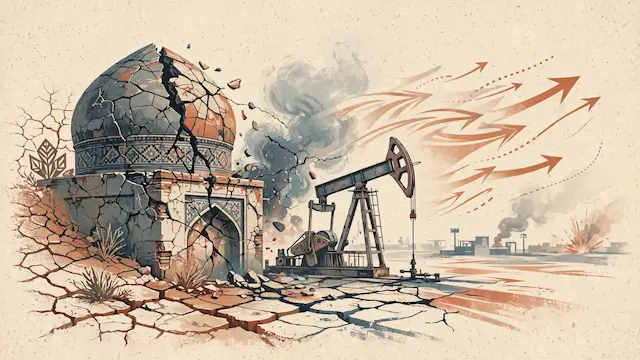
A former senior official in the IDF's Planning and Intelligence Directorate, Amit Yagur, stated that Iran is facing significant internal pressures that are driving its aggressive regional actions. Speaking on the program "Israel This Morning," Yagur argued that the common perception of Iran as a stable entity is inaccurate, highlighting a "big internal problem" that is straining the leadership.
Yagur pointed to widespread, though often hidden, protests in the periphery, citing severe clashes in Sistan and Baluchestan province that the regime attempts to downplay. He also noted a critical water shortage in regions like Khorasan, exacerbating public discontent. The regime's increasingly harsh social policies, such as the forceful enforcement of hijab wearing, are seen as a sign of fear of losing public control.
According to Yagur, these internal struggles compel Tehran to escalate actions through its proxies in the Persian Gulf and the Strait of Hormuz. He described these escalations as deliberate attempts to "poke the other side" and divert public attention from domestic crises. He specifically mentioned the recent attacks on Riyadh's international airport, which killed civilians including an American, as a strategic move to test regional and international responses.
Yagur also expressed skepticism about the significant impact of the US midterm elections on the White House's decision-making. He suggested that recent US foreign policy moves, like energy deals with Russia, indicate a premature strategic adjustment. Yagur emphasized that the ultimate goal should be the downfall of the Iranian regime, arguing that isolated retaliatory strikes are insufficient if they don't lead to this outcome.
The increased US military presence in the region, including the deployment of aircraft carriers and intensive drills, suggests that the coming weeks will be critical. Yagur warned that Iran might intentionally escalate the situation, mistakenly believing that US responses will be limited due to political timing.
Mentioned
Not the same event — other stories that share this one’s people, places, or theme: background, reactions, and follow-ups.
